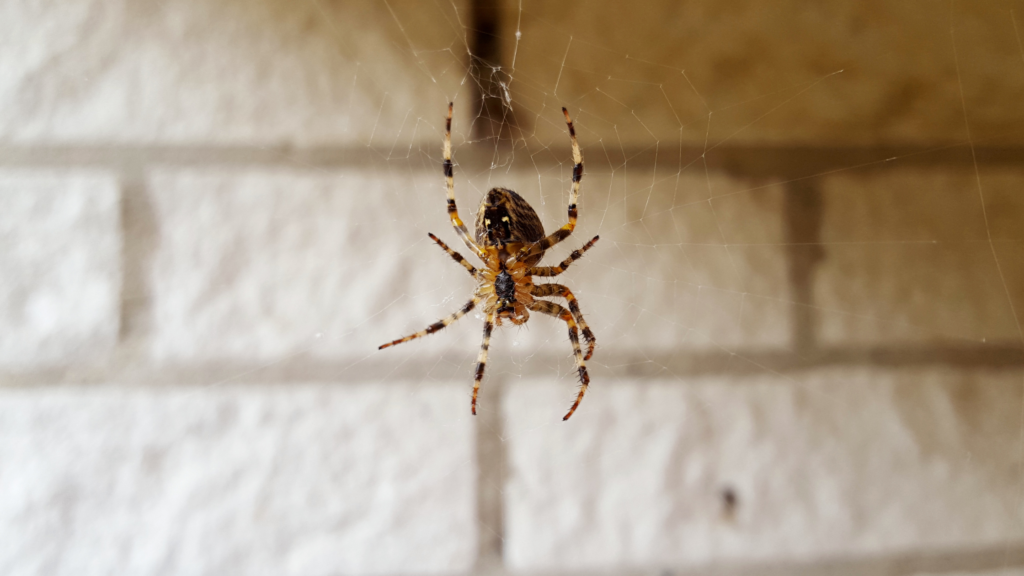
A pest infestation in a warehouse is more than a nuisance; it’s a serious threat to inventory, compliance, employee safety, and your business’s bottom line. Proactive pest management is the key to ensuring your Vancouver warehouse remains pest-free throughout the winter.
What Defines A Warehouse?
Why Pests Target Warehouses
As temperatures drop and rain becomes constant, pests seek refuge. Warehouses, with their massive size, numerous entry points, and vast amounts of stored goods, are ideal targets.
Warmth and Shelter: Warehouses offer a safe haven from the cold and rain. Pests like rodents and insects will exploit even the smallest crack to escape the elements.
Abundant Food Sources: A warehouse, especially one storing food products, grains, or packaging materials, is a giant pantry for pests. Spills, crumbs, and improperly sealed goods provide a continuous food supply.
Ideal Breeding Grounds: The relative warmth and protection from predators allow pests to breed and establish colonies in undisturbed areas like attics, wall voids, and behind large equipment.
Easy Entry Points: Loading docks, roll-up doors, and utility lines create numerous opportunities for pests to enter. A constant flow of deliveries can also introduce pests on pallets, in cardboard boxes, or within products themselves.
Key Strategies for a Pest-Free Winter
Effective winter pest control in a warehouse relies on a multi-layered approach that combines sanitation, exclusion, and professional oversight.
Exclusion: Seal Every Potential Entry Point
This is your first and most critical line of defense. Pests can squeeze through incredibly small spaces.
Dock Doors and Seals: Ensure all loading dock doors have tight-fitting seals. Consider installing air curtains that make it difficult for flying insects to enter even when the door is open.
Exterior Inspection: Conduct a thorough sweep of the entire building perimeter. Look for and seal any cracks in the foundation, walls, or roof. Use professional-grade sealants, caulk, or steel wool to block gaps around utility lines, vents, and pipes.
Windows and Doors: Inspect all windows and personnel doors for damage. Repair any broken screens and install door sweeps to prevent pests from crawling underneath.
Drains: Ensure floor drains are regularly cleaned and consider installing pest-proof screens to prevent access from the sewer system.
Sanitation: Eliminate Food and Water Sources
Without food and water, pests cannot survive or thrive. Make it difficult for pests to survive in your property and stack the odds in your favour for easy pest control.
Strict Cleaning Protocols: Implement a rigorous cleaning schedule. All spills, especially of food products, must be cleaned immediately. Regularly sweep and mop all warehouse floors, paying close attention to areas under racks and behind equipment.
Proper Waste Management: Use dumpsters with secure, tight-fitting lids. Schedule regular, frequent waste removal, especially for organic waste. Ensure the area around dumpsters is kept clean and free of debris.
Airtight Storage: Store all food products, grains, and dry goods in sealed, pest-proof containers. Avoid using cardboard boxes, as they can be chewed through and are easily contaminated.
Monitoring: Constant Vigilance is Key
Even with the best preventative measures, pests can find a way in. Regular monitoring helps you catch an infestation before it spirals out of control.
Use Traps: Place traps in strategic, low-traffic areas along walls and in corners. These act as monitoring tools, helping you identify the type of pest and the extent of the problem.
Visual Inspections: Train your staff to be vigilant for early warning signs, such as droppings, gnaw marks, or live pests. A staff member is often the first to spot a pest in an obscure location.
Maintain Records: Keep meticulous records of any pest activity, including the location and type of pest found. This information is invaluable for a pest control professional.
Protect Your Business From Pests This Winter
A pest infestation can jeopardize your entire operation. This winter, don’t leave your warehouse to chance. By prioritizing sanitation, sealing potential entry points, and partnering with a trusted pest control provider like Ecopest, you can ensure your Vancouver warehouse stays secure, compliant, and completely pest-free, even on the coldest and wettest days.
In the food industry, pests aren’t just an annoyance; they pose a direct threat to your reputation, health inspections, and ultimately, your bottom line. A single pest sighting by a customer can lead to devastating reviews and a significant loss of trust.
At Ecopest, we understand the unique pressures faced by restaurant owners in Calgary. We know that effective pest management in a food service environment requires a specialized approach that prioritizes safety, discretion, and compliance. Discover the best pest control solutions and practices for restaurants in Calgary, helping you maintain a pristine and profitable operation.
Restaurant Pest Control in Calgary: Top Challenges
While various pests can infiltrate a restaurant, some are particularly notorious in a food service setting and Calgary’s climate:
1. Rodents (Mice & Rats)
Rodents are attracted to food waste and warmth. They contaminate food and surfaces with their droppings and urine, chew through wiring (creating a fire hazard), and can cause severe structural damage. Comprehensive rodent management involves exclusion (sealing entry points), strategic baiting and trapping, and ongoing monitoring.
2. Cockroaches
Highly adaptable and prolific breeders, cockroaches contaminate food, utensils, and surfaces. They can also trigger allergies and asthma. They thrive in warm, humid kitchen environments and are notoriously difficult to eradicate once established.
3. Flies (Fruit Flies, Drain Flies, House Flies)
Flies are major vectors for disease, transferring bacteria from filthy surfaces directly to food. Fruit flies are attracted to fermenting produce and sugary spills, while drain flies breed in organic matter found in drains. When trying to get rid of flies, Excellent sanitation is paramount, especially regular cleaning of drains, swift removal of overripe produce, and proper waste disposal. Fly traps and exclusion also play a vital role.
4. Ants (Pavement Ants, Carpenter Ants)
Ants forage for food in large numbers, quickly contaminating surfaces and ingredients. Carpenter ants, common in Calgary’s surrounding treed areas, can cause structural damage by excavating wood for their nests. The solution to the problem: locating and treating nests, sealing entry points, and maintaining impeccable cleanliness.
Restaurant Pest Control in Calgary: Top Prevention Methods
Effective pest management in a restaurant isn’t a one-time fix; it’s an ongoing partnership between the restaurant and its pest control provider. Here are the key best practices:
1. Impeccable Sanitation
This cannot be stressed enough. Sanitation is the cornerstone of pest prevention in any food establishment.
Daily Deep Cleaning: Beyond routine cleaning, implement daily deep cleaning schedules for all kitchen surfaces, floors, drains, and equipment.
Proper Waste Management: Use bins with tight-fitting lids, empty them frequently (especially at closing), and store them away from building entrances. Ensure dumpsters are regularly cleaned.
Food Storage: Store all ingredients in airtight, pest-proof containers off the floor. Rotate stock to prevent expired or neglected products from becoming pest attractants.
Address Spills Immediately: Clean up any food or drink spills promptly, no matter how small.
2. Exclusion and Proofing
Prevent pests from getting in first!
Seal Entry Points: Regularly inspect and seal cracks in foundations, walls, and floors. Repair broken windows, torn screens, and ill-fitting doors.
Door Sweeps & Seals: Ensure all exterior doors have proper sweeps and seals to prevent crawling pests from entering underneath.
Utility Line Sealing: Seal gaps around pipes and utility lines where they enter the building.
3. Professional Monitoring and Regular Service
Even with excellent in-house practices, restaurants require ongoing professional pest control.
Routine Inspections: Regular visits from a qualified pest control technician are essential for early detection and proactive treatment.
Discreet Service: Professional services can be scheduled during off-peak hours to minimize disruption to your business and maintain discretion.
Compliance: A reputable pest control provider will ensure your pest management plan meets all local health regulations and audit requirements.
Expert Advice: Your technician can provide invaluable advice on maintaining a pest-free environment specific to your restaurant’s layout and operations.
4. Staff Training
Your staff are your eyes and ears on the ground.
Awareness: Train employees to recognize common pest signs (droppings, gnaw marks, live sightings) and report them immediately.
Sanitation Protocols: Ensure all staff adhere strictly to cleaning and food handling protocols.
Best Practices: Educate them on proper waste disposal, storage, and preventing the introduction of accidental pests.
Partner with Ecopest for a Pest-Free Calgary Restaurant
We are committed to providing Calgary’s food service establishments with effective, safe, and discreet pest management solutions. Our experienced technicians understand the unique challenges of commercial kitchens. Don’t wait for a pest problem to escalate. Partner with Ecopest today to develop a customized pest control plan for your restaurant, ensuring peace of mind and a consistently pristine dining environment.
Vancouver, with its stunning natural beauty, mild climate, and vibrant urban landscape, offers a wonderful quality of life. However, these very characteristics also make it an attractive haven for a diverse range of pests. From the persistent scurrying of rodents to the silent destruction of termites, understanding Vancouver’s top pest issues is the first step towards safeguarding your property and ensuring the well-being of your family.
Why Vancouver is a Hotspot for Pests
Mild, Damp Climate: Unlike regions with harsh winters that can significantly reduce pest populations, Vancouver’s mild and often damp climate allows many pests to thrive year-round. This consistent moisture is particularly attractive to pests like slugs, millipedes, and certain ant species, and provides ideal breeding conditions for mosquitoes.
Abundant Green Spaces: The city is rich in parks, gardens, and forested areas. While beautiful, these green spaces act as natural reservoirs for pests, making it easy for them to venture into nearby residential and commercial properties in search of food and shelter.
Urban Density & Food Sources: The proximity of homes, businesses, and diverse food sources in an urban setting provides ample opportunities for pests to find sustenance and establish colonies. Unsecured garbage, accessible pet food, and even compost bins can quickly become major attractants.Older Infrastructure: Many of Vancouver’s beautiful, older homes can have more cracks, gaps, and entry points, offering easy access for rodents and insects looking for shelter from the elements.
Interior Pest Prevention: Keeping Your Home Secure
Here are a few ways to make sure you minimze your chances of meeting unwanted visitors in your home.
Impeccable Kitchen Hygiene: The kitchen is a major attraction. Wipe up spills and crumbs immediately. Store all food, including pet food, in airtight containers. Don’t leave dirty dishes in the sink overnight. Regularly clean under appliances (stove, refrigerator) and inside pantry cupboards.
Address Moisture Indoors: Fix leaky pipes, faucets, and drains immediately. Use exhaust fans in bathrooms and kitchens to reduce humidity. Consider a dehumidifier in damp basements or crawl spaces to deter moisture-loving pests like silverfish.
Reduce Clutter: Pests love hiding places. Minimize clutter in basements, attics, garages, and storage areas. Store items in sturdy plastic containers with lids rather than cardboard boxes, which can be chewed through and absorb moisture.
Regular Vacuuming: Vacuum floors, carpets, and upholstery frequently to remove food crumbs, pet hair, and even insect eggs or larvae. Pay attention to baseboards and under furniture.
Inspect Deliveries and Luggage: Be cautious when bringing in packages, groceries, or especially luggage after travel. Give items a quick inspection to ensure no hitchhiking pests like bed bugs come along for the ride.Watch for Early Signs: Be vigilant for pest droppings, gnaw marks, unusual smells, or sounds (like scratching in walls). Early detection makes pest control much easier and less invasive.
When to Call the Professionals
While DIY pest prevention is powerful, some pest issues are simply too complex or extensive for a homeowner to manage effectively. If you’re facing:
Persistent Infestations: Despite your best efforts, if pests keep returning.
Structural Damage: Signs of wood damage from termites or carpenter ants.
Health Concerns: Pests that carry diseases or trigger severe allergies.
Hard-to-Reach Nests: Wasp or hornet nests in attics or wall voids.
Large Rodent Populations: Signs of a significant rodent problem.
Wildlife Intrusions: Raccoons, squirrels, or other wildlife in your yard, attic, chimney, or other parts of your home.
Protect Your Vancouver Property Today
Don’t let pests compromise your comfort or the safety of your home. By understanding the common threats and implementing this preventative checklist, you’re taking significant steps towards a pest-free property. For complex issues or ongoing protection, trust the local experts at Ecopest to provide reliable and eco-conscious solutions. Contact us today for a consultation and enjoy peace of mind in your Vancouver home.
Since summertime brings sunshine, longer days, and a bounty of blooming plants, garden pest control becomes essential during the warmer months because summer also ushers in a variety of pests that can wreak havoc on your yard and garden. From insects sucking the life out of your rose bushes to gophers ruining your grass, pests can be a serious nuisance. Thankfully, with a bit of preparation and proactive measures, you can keep your yard and garden healthy and pest-free throughout the summer months. Here’s how to protect your green space from unwanted visitors.
Understand Your Ecosystem for Better Yard & Garden Pest Control
Before you can effectively conduct pest control for your yard, it’s crucial to understand what attracts them. Many pests are drawn to specific plants or conditions. For example, aphids are attracted to soft, new growth, while beetles prefer leafy greens. By knowing which pests are likely to target your garden, you can be more proactive in your prevention efforts.
Regular Monitoring and Early Detection
One of the best ways to prevent pest infestations is through regular monitoring and early detection. Inspect your yard and garden regularly for any signs of pest activity. Look for nibbled leaves, discoloured foliage, and the pests themselves. Catching an infestation early can prevent it from spreading and save you a lot of trouble down the line.
How to Deal With Common Yard and Garden Pests?
Successfully managing typical yard and garden pests relies on an integrated strategy. Combining cleanliness, physical protection, and plant partnerships builds a robust and natural defense for your garden. Let’s look at the most effective ways to keep it healthy and pest-free.
Tip #4: Inspect Your Home’s Exterior
Spring weather can cause damage to a home’s exterior, creating entry points for pests. Checking the roof for loose shingles or holes where rodents could squeeze in is crucial. Ensuring that vents are intact and properly sealed will help prevent infestations. Removing debris around the house, such as piles of leaves and wood, can also deter pests from settling near your home.
Yard & Garden Pest Control Tip #1: Maintain a Clean Yard
Debris and weeds can provide hiding spots and breeding grounds for pests. Keep your garden clean by removing fallen leaves, dead plants, and other debris. Additionally, keep the area weeded, as weeds can compete with your plants for nutrients and water, as well as attract and harbour pests.
Yard & Garden Pest Control Tip #2: Employ Physical Barriers
Physical barriers can be highly effective in keeping pests out of your garden without the need for chemicals. Floating row covers made of lightweight fabric can protect plants from a variety of insects while still letting light and water through. Similarly, nets can keep birds, such as pigeons, from pecking at your fruit and vegetables.
Yard & Garden Pest Control Tip #3: Implement Companion Planting
Companion planting involves strategically placing plants that can benefit each other close together. For instance, marigolds release a natural chemical from their roots and foliage that repels nematodes and other pests, making them great companions for tomatoes and peppers. Similarly, garlic can deter aphids from roses and raspberries.
Methods That Have Been Proven to Work
To effectively prevent pests, it’s crucial to eliminate standing water by regularly emptying containers and cleaning gutters. Maintaining your yard by mowing the lawn, trimming foliage, and removing debris will also reduce pest habitats. Furthermore, seal entry points into your home by caulking cracks and ensuring screens on windows and doors are intact. Finally, proper trash and recycling management, including tightly covering and cleaning bins, will help deter pests.
Ecopest Helps Keep Your Garden Pest-Free
Maintaining a pest-free garden during the summertime is all about being proactive. By understanding your garden’s ecosystem, regularly monitoring for pests, keeping your garden clean, and using strategies like physical barriers and companion planting, you can enjoy a healthy, flourishing garden all summer long. If you ever do come across unwanted guests in your garden, make sure to contact us, as Ecopest makes sure to get rid of your pest problems for good!
Pest infestations are natural, especially since Calgary presents ample opportunities for pests to find their way into our homes and businesses. Many pest infestations start subtly, often going unnoticed until the problem is significant. Catching these invaders early is crucial for effective and less disruptive treatment.
At Ecopest, we believe in empowering Calgary homeowners with the knowledge to protect their properties. Here are 10 early warning signs of a pest infestation you should never ignore, along with advice on what to do if you spot them.
How to Detect a Pest Infestation Early
Pests often operate discreetly in the shadows. However, they always leave behind subtle clues if you know what to look for and how to spot them.
1. Look For Droppings
Small, dark, pellet-like droppings are one of the most common indicators of a pest presence. Finding pest droppings is a significant early warning sign of an infestation. Mouse droppings are typically tiny, black, and resemble grains of rice. Cockroach droppings can vary, appearing like fine coffee grounds or black pepper, or as small, cylindrical pellets. If you discover any of these, do not touch them with your bare hands; always clean them up carefully using gloves and disinfectant. Identifying the specific type of droppings can help determine the pest, but regardless of the culprit, any discovery of droppings warrants immediate action to address a potential infestation.
2. Gnaw Marks or Chewed Items
You should inspect for scraps of paper, fabric, wood, or even electrical wires with small chew marks, along with holes chewed into food packaging in pantries. This is a strong indication of rodent activity, prompting a thorough inspection of food containers, baseboards, wall corners, and hidden areas, such as behind appliances. Remember to remove any damaged items and store food in airtight containers to prevent further attraction and contamination.
3. Unusual Odours
An unexplained, persistent new odour can be a significant indicator of a pest problem, as many pests leave behind distinct smells. For instance, mice often create a stale, musky, ammonia-like smell, particularly noticeable in enclosed areas. Cockroaches might produce a strong, oily, or musty odour, while severe bed bug infestations can be identified by a sweet, sickly, or even “raspberry” scent. If you detect any such unusual smells, it’s crucial to investigate immediately, as it often points to a hidden nest or a significant pest population within your property.
4. Nests or Hiding Places
Pests frequently establish nests or congregate in hidden, undisturbed areas of your property. For rodents, this might involve nests constructed from shredded paper, fabric, or insulation, commonly found in attics, basements, wall voids, or behind appliances. Wasps and hornets build distinctive papery nests in locations like eaves, attics, sheds, or tree branches. As for ants, look for small mounds of dirt or sawdust near foundations, or visible trails leading into cracks in walls or floors, indicating a nest. Upon discovering any such nest, it’s crucial to carefully inspect the dark, quiet areas where they are likely to be, but always avoid disturbing the nest, especially if it belongs to stinging insects, as this can provoke aggressive behaviour.
5. Sounds in Walls, Ceilings, or Attics
Unusual sounds in your walls, ceilings, or attics, such as scratching, scurrying, gnawing, or chirping, especially during the night, are almost always a strong indicator of rodents like mice or rats, or sometimes even squirrels. If you hear these noises, try to pinpoint their exact location to help identify potential entry points into your home.
6. Sightings of Pests
Even a single sighting of a live pest, no matter how small or infrequent, should never be ignored. A lone cockroach, bed bug, or rodent often means there are many more out of sight. Try to identify the pest if you can, as this immediate sighting is a clear warning sign.
7. Grease Marks or Smudge Marks
Keep an eye out for dark, greasy smears or smudge marks along baseboards, walls, or pipes. Rodents frequently leave these behind as they travel along established paths, their bodies depositing dirt and oils. Following these marks can help you identify potential entry points or the routes pests are using within your home.
8. Unusual Plant Damage
In your garden, unusual plant damage such as holes in leaves, chewed stems, stunted growth, or wilting can signal the presence of pests. Make sure to inspect the undersides of leaves and stems thoroughly for common garden pests such as aphids, caterpillars, or slugs. Catching these issues early can prevent extensive damage to your Calgary garden.
9. Pet Behaviour Changes
Pay close attention to changes in your pet’s behaviour. Suppose your pets are staring intently at walls, scratching or licking themselves excessively, or seem agitated for no apparent reason. In that case, they might be sensing pest activity that you’re not yet aware of. Excessive scratching could point to fleas, while unusual attention to walls or floors might indicate rodents or other insects. Always remember to check your pet for fleas and ticks regularly, especially after they’ve spent time outdoors in Calgary’s parks.
10. Shed Skins or Wings
The presence of shed skins or discarded wings is a clear indicator of an active and growing pest infestation. Cockroaches frequently leave behind their shed exoskeletons as they mature, while termites often discard their wings near windowsills or light sources after a swarming event. Similarly, tiny, translucent shed skins from bed bugs can be found around beds or upholstered furniture. Any of these findings signal that pests are actively developing and reproducing on your property.
What To Do When You’ve Spotted Signs Of A Potential Infestation?
If you’ve noticed any of these early warning signs, don’t panic, but do act quickly.
Don’t Ignore It: A small problem can rapidly become a large, costly one.
Identify if Possible: If you can safely get a photo or identify the pest, it will help with treatment.
Clean and Reduce Attractants: Immediately clean the affected area, seal up food sources, and fix any leaks. This won’t eliminate the problem but can help slow its growth.
Contact Ecopest: The most effective step is to call a professional pest control service. At Ecopest, our experienced technicians understand the specific pest challenges faced by Calgary homes and businesses. We can accurately identify the pest, assess the extent of the infestation, and implement safe, targeted, and environmentally responsible treatment plans.
Early detection is your best defense against pest infestations. By being vigilant and knowing what to look for, you can protect your Calgary property and ensure peace of mind. If you suspect a pest problem, don’t wait – contact Ecopest today for a thorough inspection and effective solution.
The allure of DIY pest control is strong – it seems cost-effective, convenient, and empowering. But when it comes to truly eradicating pests, are these home remedies and store-bought solutions genuinely effective? Or are they just a temporary band-aid on a bigger problem?
The truth is, it’s a mixed bag. For minor, isolated pest issues, some DIY methods can offer a degree of success. A few ants marching across your counter? A quick wipe-down and a strategically placed bait trap do the trick.
However, the effectiveness of DIY pest control rapidly diminishes when you’re dealing with:
Established Infestations: If you’re seeing pests regularly, or in significant numbers, it’s a strong indication that you have an established colony or breeding ground. DIY methods rarely penetrate deep enough to address the source of the problem.
Hidden Pests: Many pests, like termites, bed bugs, and rodents, are masters of concealment. You might only see a fraction of the actual population. DIY sprays and traps often miss these hidden nests, leading to persistent re-infestations.
Hazardous Pests: Certain pests, such as wasps, hornets, and certain spiders, pose a significant danger. Attempting DIY removal can lead to painful stings, bites, or even allergic reactions.
Pests Requiring Specialized Knowledge: Different pests require different approaches. What works for ants won’t work for termites, and what works for mice won’t work for cockroaches. Without understanding the specific biology and habits of the pest, your efforts are likely to be futile.
Repeated Problems: If you find yourself constantly battling the same pest issue, it’s a clear sign that your DIY methods aren’t getting to the root of the problem. You’re likely wasting time, money, and potentially exposing yourself to unnecessary chemicals.
DIY Pest Control: What Works and When to Call a Professional
These solutions are typically used for minor, isolated issues or as temporary deterrents.
Basic Sanitation: This is the cornerstone of all pest prevention. Keeping your home clean, crumb-free, and eliminating standing water can deter a wide range of pests. This isn’t a “cure” for an infestation, but it’s essential for preventing them.
Sealing Entry Points: Caulk cracks, repair screens, and seal gaps around pipes and wires. This can help prevent pests from entering in the first place. Again, preventative, not curative for an existing problem.
Sticky Traps (for a few rogue insects): A few sticky traps can catch an occasional ant or spider. They are excellent for monitoring, but not effective for eliminating an infestation.
Essential Oils (as deterrents): Some essential oils, like peppermint or tea tree oil might deter certain pests, like spiders or mice, for a short period. Their effectiveness is often limited and requires frequent reapplication.
DIY Pest Control: What Might Work (For Very Minor Issues):
Another spring pest control tip is to be mindful of the food in your home. A readily available food source will attract pests and encourage them to stay. To minimize this risk, keep dry food, pet food, and birdseed in airtight containers. Regularly cleaning out the pantry to remove crumbs and spills will also help. Avoid leaving dirty dishes in the sink overnight, as food residue can attract pests. Taking out the trash frequently and using a bin with a tight-fitting lid further reduces the likelihood of pests finding food in your home.
When to Put Down the DIY Solutions and Call a Professional:
The moment you observe any of the following, it’s time to pick up the phone and call Ecopest:
Persistent Pest Sightings: If you’re seeing pests regularly, despite your best DIY efforts, it’s a sign of a larger, established infestation.
Evidence of Nesting or Breeding: Finding droppings, gnaw marks, shed skins, or actual nests indicates a well-entrenched pest population.
Damage to Property: Discovering chewed wires, damaged wood, or contaminated food means pests are actively causing harm.
Dangerous Pests: Wasps, hornets, and aggressive spiders should never be approached without professional equipment and expertise.
Peace of Mind: Sometimes, the greatest benefit of professional pest control is the peace of mind that comes with knowing the problem is being handled effectively and safely.
Trust Ecopest for Both Professional & DIY Pest Control
Professional pest control services offered by Ecopest provide targeted solutions. We identify the specific pest, understand its biology and habits, locate the source of the infestation, and apply treatments safely and effectively to ensure long-term eradication. Don’t let a small problem become a huge headache – know when to call in the experts!
Our team of experienced wildlife control specialists utilizes humane and eco-friendly methods to remove unwanted animals from your property safely. We prioritize the use of non-lethal techniques whenever possible, such as live trapping and exclusion methods. We are committed to protecting wildlife and ensuring its long-term survival while safeguarding your home and family.
We protect your home and business from unwanted guests from the BC wildlife, such as raccoons, squirrels and other critters that can cause trouble around your property. Please note that our standard services are specifically designed for common urban and suburban wildlife. We do not handle situations involving larger or potentially dangerous animals such as bears, bobcats, or similar large predators, which require specialized intervention by provincial wildlife authorities.
Wildlife control plays a critical role in maintaining the delicate balance between urban environments and the natural world, particularly in areas like Vancouver, BC, where human development intersects with rich ecosystems. In Vancouver, the proximity to forests and waterways leads to frequent interactions with wildlife.
Eco-Friendly & Humane Wildlife Control
We distinguish ourselves by our commitment to eco-friendly and humane wildlife control methods. Understanding the importance of ethical practices, we avoid harsh chemicals and traps that cause unnecessary suffering. Instead, we employ strategies that prioritize the well-being of the animals while effectively addressing the issue.
By focusing on preventive measures and non-lethal solutions, Ecopest offers a responsible and sustainable approach to wildlife control, fostering a harmonious coexistence between humans and Vancouver’s urban wildlife.
From maintaining your yard to sealing cracks in your home’s exterior and ensuring proper sanitation, pest-proofing your home is vital, and that’s where Ecopest steps in! Dive into this blog where we highlight the importance of consistent pest control during the warmer months.
Pest control in the summer is crucial, especially as warmer temperatures bring about increased pest activity. Explore our blog where we prepare and educate you about pest control during the summertime
Learn The Reasons Why Summer Pest Control is Crucial
1. Insects Are More Active in the Heat 2. Mosquitoes Thrive in Warm, Humid Conditions 3. Gardens Attract Various Pests 4. Summer Pest Control Reduces Health Risks 5. Early Detection in Summer Helps Prevent Infestations
Do I Need Pest Control In The Summer?
Yes, pest control is essential year-round. While some pests might seem less active in other seasons, summer brings them out in full force, making it a critical time to fortify your home against invasions.
From maintaining your yard to sealing cracks in your home’s exterior and ensuring proper sanitation, pest-proofing your home is vital, and that’s where Ecopest steps in! Dive into this blog where we highlight the importance of consistent pest control during the warmer months.
#1 Insects Are More Active in the Heat
Summer pest control is crucial as insects like ants, flies, and fleas become more active in the heat. Your home can attract these pests as they search for food and cooler environments. Effective management during the summer is vital to keep them at bay and ensure they don’t become a regular nuisance.
#2 Mosquitoes Thrive in Warm, Humid Conditions
The warm and humid conditions of summer are perfect for mosquitoes. They breed rapidly in stagnant water and can turn your yard into a breeding ground if not managed properly. Summer pest control activities such as eliminating standing water can significantly reduce their population.
#3 Gardens Attract Various Pests
Your garden can attract a variety of pests during the summer, including, beetles, and slugs, which can damage plants and reduce garden health. Regular inspections and treatments can help protect your garden from these pests and keep your plants thriving.
#4 Summer Pest Control Reduces Health Risks
Pests like mosquitoes and ticks are more than just nuisances; they can carry diseases that pose serious health risks. Effective summer pest control helps reduce the risk of diseases such as West Nile Virus and Lyme disease by keeping these pests under control.
#5 Early Detection in Summer Helps Prevent Infestations
Detecting pests early during the summer can prevent full-scale infestations. Regular checks and treatments by professionals can identify signs of pests early, making it more cost-effective and less invasive than dealing with larger infestations later.
Summer Pest Control Is More Beneficial Than You May Think
By being proactive with summer pest control, you can protect your home from invasive pests and potential health risks. Remember, preventing an infestation is easier and often cheaper than eradicating one that has already taken hold. Keep your home safe and pest-free this summer by ensuring your pest control measures are up to date.
As allergy season sets in, springtime Calgary pest control becomes essential. Many pests invade homes seeking shelter, and the last thing any homeowner wants is to deal with unwelcome guests scurrying around their home. Fortunately, with a proactive approach, you can prevent pests from making your house their spring retreat. Here are some essential spring pest prevention tips to keep your home protected.
Tip #1: Seal Entry Points
Spring pest control is effective because pests often enter homes through small cracks, gaps, and openings. Even the tiniest holes can be an invitation for rodents and insects. Inspect the exterior of your home, particularly around doors, windows, vents, and the foundation. If you find any cracks or holes, seal them with caulk, steel wool, or weather stripping. Installing door sweeps on exterior doors can eliminate gaps at the bottom that rodents may use as entryways. Additionally, using mesh screens on vents and chimneys helps prevent pests from sneaking in.
Tip #2: Store Food Properly
Another spring pest control tip is to be mindful of the food in your home. A readily available food source will attract pests and encourage them to stay. To minimize this risk, keep dry food, pet food, and birdseed in airtight containers. Regularly cleaning out the pantry to remove crumbs and spills will also help. Avoid leaving dirty dishes in the sink overnight, as food residue can attract pests. Taking out the trash frequently and using a bin with a tight-fitting lid further reduces the likelihood of pests finding food in your home.
Tip #3: Maintain Proper Ventilation and Moisture Control
Many pests thrive in damp environments, so reducing moisture can deter them. Fixing leaky pipes and faucets prevents water accumulation, which is essential for keeping pests like cockroaches and silverfish at bay. Using a dehumidifier in damp areas such as basements and crawl spaces can also help. Ensuring that gutters are clean will prevent water buildup around your home. Additionally, using exhaust fans in bathrooms and kitchens reduces humidity, making your home less appealing to moisture-loving pests.
Tip #4: Inspect Your Home’s Exterior
Spring weather can cause damage to a home’s exterior, creating entry points for pests. Checking the roof for loose shingles or holes where rodents could squeeze in is crucial. Ensuring that vents are intact and properly sealed will help prevent infestations. Removing debris around the house, such as piles of leaves and wood, can also deter pests from settling near your home.
Tip #5: Be Mindful of Your Decor
Seasonal decorations, especially live greenery like plants and Christmas trees, can harbour pests. Before bringing decorations inside, scrutinize them to check for bugs or rodents. Storing decorations in plastic bins rather than cardboard can help deter pests, as cardboard is more susceptible to infestations. When using firewood, shake it out before bringing it indoors to avoid transporting insects into your home.
Tip #6:Be Aware of Pet Food and Water Bowls
Pet food can attract rodents, cockroaches, and other pests if left exposed. Storing pet food in sealed containers rather than the original bag will help prevent infestations. If possible, avoid leaving food or water out overnight. Regularly cleaning feeding areas to remove crumbs and spills can also make a significant difference in keeping pests away.
This predatory behaviour of wasps nourishes their larvae and helps control the populations of these insects, many of which are pests.
Tip #7:Work with a Pest Control Professional
Sometimes, despite your best efforts, pests still find a way in. A professional pest control service like Ecopest can provide thorough inspections and effective treatment plans. Scheduling routine inspections, especially if you’ve had pest problems in the past, can help prevent future infestations. Preventative treatments can also be a worthwhile investment to keep pests out before they become an issue.
Ecopest is your trusted Calgary Pest Control Service
Preventing pests in springtime requires a combination of home maintenance, cleanliness, and vigilance. With these proactive measures, you’ll enjoy a pest-free spring season. If you notice any signs of pests, don’t hesitate to contact us before the problem worsens. After all, the only guests you want in your home this spring are the ones you invited!
Stinging insects in your backyard? The ‘wasp vs bee’ debate is not just about whose sting hurts the most. This article slices through the confusion, contrasting their build, behaviours, and dietary habits. Learn how wasps, with their sleek bodies and predatory practices, differ from the fuzzy, flower-loving bees. Whether you’re wondering about aggression levels, nesting habits, or why bees are invaluable pollinators, we’ve got the answers.
Key Takeaways
Bees and wasps, while both from the order Hymenoptera, have stark differences in physical characteristics, nesting behaviours, and social structures, with bees being generally non-aggressive, fuzzy pollinators that live in colonies and wasps being slender, smooth and potentially more aggressive, existing in both solitary and colonial lifestyles.
Bees and wasps have differing diets and ecological roles, with bees focusing on nectar and pollen and serving as key pollinators for many important crops, while wasps are omnivorous predators that help control pest populations through their hunting behaviours.
While bees can sting only once due to their barbed stinger, resulting in their death, wasps have smooth, retractable stingers, allowing them to sting multiple times; responsible pest control measures are important to protect these beneficial insects and their roles in the ecosystem.
Wasp vs Bee: Key Characteristics
At first glance, bees and wasps may seem similar. Both belong to the insect order Hymenoptera and are known for their ability to sting. But closer examination reveals a world of differences. For example, bees are characterized by their rounder, fuller bodies and thicker legs adorned with fuzzy hairs. These features help them in their role as pollinators and hive builders. These branched hairs aid in pollen collection, enhancing their function as pollinators. On the other hand, wasps, including common species such as yellow jackets, have slimmer bodies with narrow waists, thin legs, and smooth, shiny bodies devoid of hair.
Unlike bees, which are typically non-aggressive and live in well-organized colonies, wasps can display more aggressive behaviour. Their social structure varies, from solitary wasps to those living in colonies. Most wasps can be more territorial, especially when protecting their nests.
Bees and wasps also differ in their nesting preferences. Known for constructing wax hives or bee nests, bees are frequently found near flowers, where they can collect nectar and pollen. Wasps, in contrast, craft paper-like nests using wood pulp and saliva, and their nesting sites can range from underground burrows to the eaves of buildings. In this context, a bee nest refers to the hive created by bees for their habitation and reproduction.
Appearance: Fuzziness and Color Patterns
The physical appearance of bees and wasps offers intriguing insights into their roles in nature. Bees are known for their:
Fuzzy bodies, with branched and feather-like structures that enable them to cling onto pollen, thus assisting in their role as key pollinators
Rounder bodies and thicker legs, making it easier for them to collect and carry pollen back to their nests
Yellow and black stripes, a colour pattern that has become synonymous with bees
In contrast, wasps possess slender bodies with narrow waists and thin legs. Unlike bees, their bodies are devoid of hair and have a smooth, shiny appearance. Their sleek body design and diverse colour patterns mirror their predatory nature. They prey on a variety of insects, which are found in their nests, to feed their wasp larvae.
Behaviour: Aggressiveness and Social Structure
Despite belonging to the same insect order, Hymenoptera, various bee species, including honey bees, native bees, and wasps, show significant behavioural variations, specifically their social structures and aggressiveness. Honey bee colonies, for instance, exhibit a well-defined social structure consisting of a single queen, a few hundred drones (the males), and up to 40,000 worker bees that are the queen’s daughters. Bees are not naturally inclined to be aggressive and usually only sting in response to a threat, with male bees not even having stingers.
On the other hand, Wasps can display a higher level of aggression, especially during the fall, when their aggression increases after the queen dies. During this period, they stop caring for their brood and begin searching for sweet foods for sustenance. This behaviour is observed in various wasp species, including paper wasps.
In the autumn season, the entire population of social wasps, including most wasps, perishes except the fertilized queens. These queens seek refuge in sheltered regions and reappear in the spring to initiate new colonies.
Habitat: Nesting Preferences and Locations
The unique nesting preferences and habitats of bees and wasps underscore their distinct characteristics and lifestyles. Bees construct their hives using beeswax, six-sided tubes designed specifically for honey production. This intricate architectural design is a testament to the bees’ social structure and collaboration. Most bees, except for honey bees and bumblebees, are solitary ground nesting bees. Their nests are often underground and are built independently by each female bee.
Contrastingly, wasps form their nests from a malleable paper pulp created by chewing wood pulp and mixing it with saliva. Solitary wasps and bees exhibit various nesting styles, including digging burrows, occupying existing holes in wood or buildings, and even utilizing plant stems or empty snail shells for nesting. The nesting locations of bees and wasps also differ, with bees building wax hives and constructing paper-like nests in various locations, from underground burrows to the eaves of buildings.
Diet Distinctions: What Bees and Wasps Eat
Beyond physical characteristics and behaviours, we can now analyze the dietary differences between bees and wasps. These insects’ diets reflect their distinct roles in the ecosystem and influence their interactions with other species. Bees predominantly consume nectar and pollen. They locate these food sources through their sense of smell, sensitive antennae, wide-angled compound eyes, and by recognizing other bees engaged in collecting pollen and nectar. When gathering pollen and nectar, bees prefer certain flowers, such as sunflowers, daisies, hellebores, and salvias.
On the other side of the spectrum, wasps are omnivores. They capture other insects for their offspring and consume a range of other food sources. Wasps prey on a variety of insects, such as:
beetles
centipedes
dragonflies
hoverflies
spiders
moths
robber flies
praying mantis
This predatory behaviour of wasps nourishes their larvae and helps control the populations of these insects, many of which are pests.
Pollen Power: The Importance of Bees in Pollination
Bees have an integral role in pollination, a process vital for the reproduction of numerous plants. Pollination involves transferring pollen grains from the stamens to the ovule-bearing organs or the female stigma of a flower. Bees contribute to this process by:
Moving between flowers to transfer the pollen, which adheres to their bodies
Fertilizing plants and facilitating seed or fruit production
Collecting pollen to nourish their offspring
Bees are considered effective pollinators due to their dedicated efforts in collecting pollen. This behaviour facilitates pollinating many plants, including those crucial for food crops.
Indeed, bees significantly contribute to the global food supply. They pollinate a diverse array of important crops, including:
almonds
apples
apricots
avocado
blueberries
citrus fruits
squash
pumpkin
and many others
These crops are vital for human consumption and agriculture. Without bees, these plants would face challenges in reproducing and yielding fruit.
Predatory Wasps: Controlling Pest Populations
While bees are critical for pollination, wasps play an important role as predators, controlling pest populations. By actively hunting and capturing various insects considered pests, wasps can prevent or limit infestations that would otherwise cause damage to crops and plants. This not only helps to maintain the health of these plants but also contributes to a balanced ecosystem. Some of the pests that wasps prey on include:
Aphids
Caterpillars
Flies
Mosquitoes
Ants
So, while wasps may be a nuisance to some, they provide a valuable service in keeping pest populations in check.
Wasps even demonstrate exceptional skill in managing pests within plants. They can infiltrate plant structures and extract pests that are concealed or nested inside, thereby protecting the plant’s health. Hence, even though wasps may not contribute to pollination like bees do, their role as predators is equally significant for maintaining our ecosystem’s balance.
Stinging Facts: Understanding Bee and Wasp Stings
The most feared aspect of bees and wasps, both considered stinging insects, is their ability to sting. However, the mechanisms behind their stings and their differences are intriguing subjects. Bees, for example, can sting only once as their stingers are barbed, causing them to remain in the victim and resulting in the bee’s death. A bee sting can cause a swollen welt and similar pain. If you are stung by a honey bee, you are advised to carefully scrape out the stinger using the edge of a knife or credit card and then cleanse the sting site with soap and water.
Wasps, on the other hand, can sting multiple times without perishing. Their stingers are smooth and easily retractable. A wasp sting can result in symptoms such as:
sharp pain or burning at the sting site
redness
swelling
itching
a rapid heart rate
hives
One-Time Sting: The Bee’s Sacrifice
We can examine the bee’s sting in more detail. The bee’s sting comprises two barbed, opposing lancets, a dorsal stylet, and a central canal. This structure is a potent defence mechanism due to its painful venom, subcutaneous delivery system, and autotomization capability. The barbs of the bee’s sting confer an evolutionary advantage in interactions with other insects.
However, this defence comes at a cost. Upon stinging, a bee attempts to extract its stinger, rupturing its lower abdomen. This action embeds the stinger and creates a significant opening at the end of the abdomen, ultimately leading to the bee’s demise. This sacrificial nature of a bee’s sting is a testament to their social structure and the lengths they’ll go to protect their colony.
Multiple Offenders: The Wasp’s Repeated Sting
In contrast, wasps are equipped with a smooth and easily retractable stinger, which allows them to sting their victims multiple times without dying. The anatomy of a wasp’s sting includes a stylet and two lancets, which work together in an interlocking mechanism to insert the stinger and pump venom from their venom sac. Unlike bees, wasps do not lose their stingers and do not die after stinging.
The ability of the wasp to sting multiple times greatly enhances its defence strategy. It enables wasps to defend their nests repeatedly and deter potential threats without the risk of dying after a single sting. This advantage, however, often leads to a greater fear of wasps due to the potential for multiple painful stings.
Honey Production: Bees vs Wasps
We can now focus on a sweet topic—honey production. Honey is often associated with bees, but did you know that some wasps can also produce honey? However, honey production’s process, quantity, and purpose differ significantly between bees and wasps. Bees, particularly the Italian honey bee, are most renowned for their honey production. They collect nectar from flowers and transform it into honey through steps, including fanning, ripening, and sealing it within the honeycomb cell.
On the contrary, while most wasps cannot produce honey, a few exceptions exist, like the Mexican honey wasp. However, their honey production is significantly lower compared to bees. Bees primarily produce honey in significant quantities for human consumption. In contrast, rare honey-producing wasps, such as the Mexican honey wasp, make honey in smaller quantities for their consumption.
The Sweet Life: How Bees Make Honey
The process through which bees create honey is truly a marvel of nature. It begins when bees gather nectar from flowers using their elongated, straw-like tongue and store it in their honey stomach. Once inside the bee’s body, the nectar undergoes a transformation facilitated by an enzyme known as invertase, initiating the conversion process into honey. The water in the nectar is then evaporated to form honey through bees fanning their wings, generating airflow around the honeycomb and facilitating the evaporation process.
It’s worth noting that this intricate process is not a solitary task. On the contrary, it’s a combined effort of the entire colony. Worker bees collect the nectar, transport it back to the hive, and pass it on to other worker bees, who process it into honey. This collaborative effort is a testament to bee colonies’ highly organized and efficient social structure.
Wasp Honey: A Rare Treat
While honey production is primarily associated with bees, a few wasp species also produce honey. The Mexican honey wasp (Brachygastra mellifica), for instance, is recognized for its ability to produce honey. It belongs to a rare group of ‘honey wasps’ from the genus Brachygasta, comprising only 17 species.
However, compared to bees, wasps produce a significantly lower quantity of honey. This is because wasps only produce enough for their consumption, not as a surplus to store. Within wasp colonies, honey plays a crucial role as an essential energy source, particularly significant for the sustenance and care of their population. Interestingly, honey produced by wasps, especially from the species Brachygastra mellifica, is regarded as a delicacy in certain Mexican cultures.
Protecting Pollinators: Responsible Pest Control
As we have observed, bees and wasps play significant roles in our ecosystem. While their stings may cause discomfort, their contributions to pollination, pest control, and honey production in the case of bees are invaluable. Hence, practicing responsible pest control is important to protect these creatures. Some ecologically sound approaches for controlling pest bees and wasps include planting bee-repelling plants such as mint, basil, or eucalyptus and utilizing oils and other biological control methods to reduce the area’s attractiveness to these insects.
However, remember that not all methods are safe for insects and humans. For instance, using wasp spray on bees can trigger an aggressive response from the hive, as bees release a pheromone when under attack, signalling the hive to retaliate. Repelling and preventing bees and wasps from coming near can also be achieved using various natural methods such as dryer sheets, mothballs, and certain essential oils.
However, if bees or wasps pose a serious threat, the safest and most effective method is to contact a local pest control professional.
Common Misconceptions: Debunking Bee and Wasp Myths
Despite their prevalence and importance, several myths and misconceptions about bees and wasps often lead to unnecessary fear and misunderstanding. Here are some common misconceptions:
All bees inhabit hives and contribute significantly to pollination. In truth, while honey bees significantly impact pollination, they are not the sole pollinators, as many other insects also play a role in this process.
Not all bees produce honey. There are many different species of bees, and only certain ones produce honey.
Bees exhibit a variety of colours, not just black and yellow. Some bees are black, yellow, brown, and metallic green or blue.
It’s important to have accurate information about bees and wasps to understand better and appreciate their role in our ecosystem.
Similarly, there are prevalent misconceptions regarding wasp stings, such as the assumption that wasps are inherently more dangerous than bees and that their stings are either not painful or extremely harmful. In reality, wasp stings can indeed be painful, but the intensity varies, and not all individuals allergic to wasp stings are also allergic to bee stings. It’s clear that understanding these creatures goes beyond the common myths and misconceptions, and recognizing their true characteristics and behaviours leads to a greater appreciation of their roles in our ecosystem.
Summary
In conclusion, despite their superficial similarities, bees and wasps are remarkably distinct in their physical characteristics, behaviours, and roles in the ecosystem. From bees’ essential contribution to pollination and honey production to wasps’ vital role in pest control, these insects play an invaluable role in sustaining our natural world. Their behaviours, from the social structure of bee colonies to the solitary or community lifestyle of wasps, reflect their unique survival strategies. Whether it’s the one-time sting of a bee or the multiple stings of a wasp, their defence mechanisms are a testament to their adaptation to their environment. As we navigate our shared space with these insects, understanding their characteristics and importance to our ecosystem can lead to a more harmonious coexistence and appreciation of these remarkable creatures.
Frequently Asked Questions
What is the difference between a bee and a wasp?
The main difference between a bee and a wasp is that bees have pollen-collecting hairs, while wasps do not. Bees use these hairs to gather pollen for protein, while wasps feed on other insects for their protein.
Is a wasp sting worse than a bee?
Yes, a wasp sting is generally worse than a bee sting due to the more potent venom, so it’s important to be cautious and know how to treat and prevent stings.
How do I know if I got stung by a bee or wasp?
You can distinguish between a bee and a wasp sting by checking for a barbed stinger, which indicates a bee sting, while a smooth stinger suggests a wasp sting.
Why are wasps so aggressive?
Wasps become more aggressive in late summer as food becomes scarce, but most are not aggressive unless they feel their nests are threatened. Avoiding the nest area can prevent most stings.
What do bees and wasps eat?
Bees primarily feed on nectar and pollen, while wasps have an omnivorous diet, capturing other insects for their young and consuming various food sources. Bees eat nectar and pollen, while wasps are omnivorous.