
web tmize

10 Early Warning Signs of a Pest Infestation

Pest infestations are natural, especially since Calgary presents ample opportunities for pests to find their way into our homes and businesses. Many pest infestations start subtly, often going unnoticed until the problem is significant. Catching these invaders early is crucial for effective and less disruptive treatment.

At Ecopest, we believe in empowering Calgary homeowners with the knowledge to protect their properties. Here are 10 early warning signs of a pest infestation you should never ignore, along with advice on what to do if you spot them.

How to Detect a Pest Infestation Early

Pests often operate discreetly in the shadows. However, they always leave behind subtle clues if you know what to look for and how to spot them.

1. Look For Droppings

Small, dark, pellet-like droppings are one of the most common indicators of a pest presence. Finding pest droppings is a significant early warning sign of an infestation. Mouse droppings are typically tiny, black, and resemble grains of rice. Cockroach droppings can vary, appearing like fine coffee grounds or black pepper, or as small, cylindrical pellets. If you discover any of these, do not touch them with your bare hands; always clean them up carefully using gloves and disinfectant. Identifying the specific type of droppings can help determine the pest, but regardless of the culprit, any discovery of droppings warrants immediate action to address a potential infestation.

2. Gnaw Marks or Chewed Items

You should inspect for scraps of paper, fabric, wood, or even electrical wires with small chew marks, along with holes chewed into food packaging in pantries. This is a strong indication of rodent activity, prompting a thorough inspection of food containers, baseboards, wall corners, and hidden areas, such as behind appliances. Remember to remove any damaged items and store food in airtight containers to prevent further attraction and contamination.

3. Unusual Odours

An unexplained, persistent new odour can be a significant indicator of a pest problem, as many pests leave behind distinct smells. For instance, mice often create a stale, musky, ammonia-like smell, particularly noticeable in enclosed areas. Cockroaches might produce a strong, oily, or musty odour, while severe bed bug infestations can be identified by a sweet, sickly, or even “raspberry” scent. If you detect any such unusual smells, it’s crucial to investigate immediately, as it often points to a hidden nest or a significant pest population within your property.

4. Nests or Hiding Places

Pests frequently establish nests or congregate in hidden, undisturbed areas of your property. For rodents, this might involve nests constructed from shredded paper, fabric, or insulation, commonly found in attics, basements, wall voids, or behind appliances. Wasps and hornets build distinctive papery nests in locations like eaves, attics, sheds, or tree branches. As for ants, look for small mounds of dirt or sawdust near foundations, or visible trails leading into cracks in walls or floors, indicating a nest. Upon discovering any such nest, it’s crucial to carefully inspect the dark, quiet areas where they are likely to be, but always avoid disturbing the nest, especially if it belongs to stinging insects, as this can provoke aggressive behaviour.

5. Sounds in Walls, Ceilings, or Attics

Unusual sounds in your walls, ceilings, or attics, such as scratching, scurrying, gnawing, or chirping, especially during the night, are almost always a strong indicator of rodents like mice or rats, or sometimes even squirrels. If you hear these noises, try to pinpoint their exact location to help identify potential entry points into your home.

6. Sightings of Pests

Even a single sighting of a live pest, no matter how small or infrequent, should never be ignored. A lone cockroach, bed bug, or rodent often means there are many more out of sight. Try to identify the pest if you can, as this immediate sighting is a clear warning sign.

7. Grease Marks or Smudge Marks

Keep an eye out for dark, greasy smears or smudge marks along baseboards, walls, or pipes. Rodents frequently leave these behind as they travel along established paths, their bodies depositing dirt and oils. Following these marks can help you identify potential entry points or the routes pests are using within your home.

8. Unusual Plant Damage

In your garden, unusual plant damage such as holes in leaves, chewed stems, stunted growth, or wilting can signal the presence of pests. Make sure to inspect the undersides of leaves and stems thoroughly for common garden pests such as aphids, caterpillars, or slugs. Catching these issues early can prevent extensive damage to your Calgary garden.

9. Pet Behaviour Changes

Pay close attention to changes in your pet’s behaviour. Suppose your pets are staring intently at walls, scratching or licking themselves excessively, or seem agitated for no apparent reason. In that case, they might be sensing pest activity that you’re not yet aware of. Excessive scratching could point to fleas, while unusual attention to walls or floors might indicate rodents or other insects. Always remember to check your pet for fleas and ticks regularly, especially after they’ve spent time outdoors in Calgary’s parks.

10. Shed Skins or Wings

The presence of shed skins or discarded wings is a clear indicator of an active and growing pest infestation. Cockroaches frequently leave behind their shed exoskeletons as they mature, while termites often discard their wings near windowsills or light sources after a swarming event. Similarly, tiny, translucent shed skins from bed bugs can be found around beds or upholstered furniture. Any of these findings signal that pests are actively developing and reproducing on your property.

What To Do When You’ve Spotted Signs Of A Potential Infestation?

If you’ve noticed any of these early warning signs, don’t panic, but do act quickly.

  1. Don’t Ignore It: A small problem can rapidly become a large, costly one.
  2. Identify if Possible: If you can safely get a photo or identify the pest, it will help with treatment.
  3. Clean and Reduce Attractants: Immediately clean the affected area, seal up food sources, and fix any leaks. This won’t eliminate the problem but can help slow its growth.
  4. Contact Ecopest: The most effective step is to call a professional pest control service. At Ecopest, our experienced technicians understand the specific pest challenges faced by Calgary homes and businesses. We can accurately identify the pest, assess the extent of the infestation, and implement safe, targeted, and environmentally responsible treatment plans.

Early detection is your best defense against pest infestations. By being vigilant and knowing what to look for, you can protect your Calgary property and ensure peace of mind. If you suspect a pest problem, don’t wait – contact Ecopest today for a thorough inspection and effective solution.
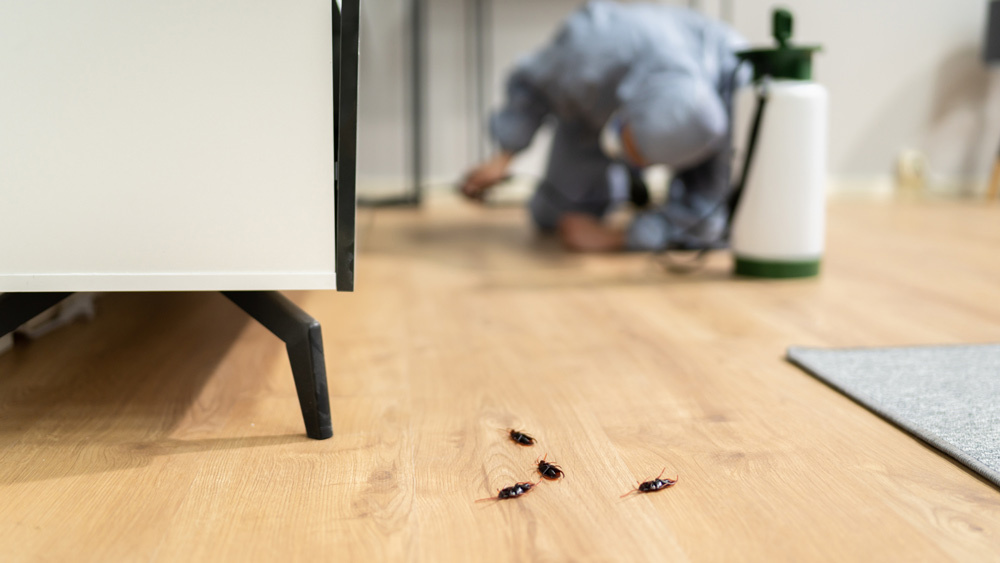
10 Early Warning Signs of a Pest Infestation Read More »

Are DIY Pest Control Solutions Effective?

The allure of DIY pest control is strong – it seems cost-effective, convenient, and empowering. But when it comes to truly eradicating pests, are these home remedies and store-bought solutions genuinely effective? Or are they just a temporary band-aid on a bigger problem?

The truth is, it’s a mixed bag. For minor, isolated pest issues, some DIY methods can offer a degree of success. A few ants marching across your counter? A quick wipe-down and a strategically placed bait trap do the trick.

However, the effectiveness of DIY pest control rapidly diminishes when you’re dealing with:

  • Established Infestations: If you’re seeing pests regularly, or in significant numbers, it’s a strong indication that you have an established colony or breeding ground. DIY methods rarely penetrate deep enough to address the source of the problem.
  • Hidden Pests: Many pests, like termites, bed bugs, and rodents, are masters of concealment. You might only see a fraction of the actual population. DIY sprays and traps often miss these hidden nests, leading to persistent re-infestations.
  • Hazardous Pests: Certain pests, such as wasps, hornets, and certain spiders, pose a significant danger. Attempting DIY removal can lead to painful stings, bites, or even allergic reactions.
  • Pests Requiring Specialized Knowledge: Different pests require different approaches. What works for ants won’t work for termites, and what works for mice won’t work for cockroaches. Without understanding the specific biology and habits of the pest, your efforts are likely to be futile.
  • Repeated Problems: If you find yourself constantly battling the same pest issue, it’s a clear sign that your DIY methods aren’t getting to the root of the problem. You’re likely wasting time, money, and potentially exposing yourself to unnecessary chemicals.

DIY Pest Control: What Works and When to Call a Professional

These solutions are typically used for minor, isolated issues or as temporary deterrents.

  • Basic Sanitation: This is the cornerstone of all pest prevention. Keeping your home clean, crumb-free, and eliminating standing water can deter a wide range of pests. This isn’t a “cure” for an infestation, but it’s essential for preventing them.
  • Sealing Entry Points: Caulk cracks, repair screens, and seal gaps around pipes and wires. This can help prevent pests from entering in the first place. Again, preventative, not curative for an existing problem.
  • Sticky Traps (for a few rogue insects): A few sticky traps can catch an occasional ant or spider. They are excellent for monitoring, but not effective for eliminating an infestation.
  • Essential Oils (as deterrents): Some essential oils, like peppermint or tea tree oil might deter certain pests, like spiders or mice, for a short period. Their effectiveness is often limited and requires frequent reapplication.

DIY Pest Control: What Might Work (For Very Minor Issues):

Another spring pest control tip is to be mindful of the food in your home. A readily available food source will attract pests and encourage them to stay. To minimize this risk, keep dry food, pet food, and birdseed in airtight containers. Regularly cleaning out the pantry to remove crumbs and spills will also help. Avoid leaving dirty dishes in the sink overnight, as food residue can attract pests. Taking out the trash frequently and using a bin with a tight-fitting lid further reduces the likelihood of pests finding food in your home.

When to Put Down the DIY Solutions and Call a Professional:

The moment you observe any of the following, it’s time to pick up the phone and call Ecopest:

  • Persistent Pest Sightings: If you’re seeing pests regularly, despite your best DIY efforts, it’s a sign of a larger, established infestation.
  • Evidence of Nesting or Breeding: Finding droppings, gnaw marks, shed skins, or actual nests indicates a well-entrenched pest population.
  • Damage to Property: Discovering chewed wires, damaged wood, or contaminated food means pests are actively causing harm.
  • Dangerous Pests: Wasps, hornets, and aggressive spiders should never be approached without professional equipment and expertise.
  • Peace of Mind: Sometimes, the greatest benefit of professional pest control is the peace of mind that comes with knowing the problem is being handled effectively and safely.

Trust Ecopest for Both Professional & DIY Pest Control

Professional pest control services offered by Ecopest provide targeted solutions. We identify the specific pest, understand its biology and habits, locate the source of the infestation, and apply treatments safely and effectively to ensure long-term eradication. Don’t let a small problem become a huge headache – know when to call in the experts!

Are DIY Pest Control Solutions Effective? Read More »

Wildlife Control

City Wildlife Control for Vancouver BC

Our team of experienced wildlife control specialists utilizes humane and eco-friendly methods to remove unwanted animals from your property safely. We prioritize the use of non-lethal techniques whenever possible, such as live trapping and exclusion methods. We are committed to protecting wildlife and ensuring its long-term survival while safeguarding your home and family.

We protect your home and business from unwanted guests from the BC wildlife, such as raccoons, squirrels and other critters that can cause trouble around your property. Please note that our standard services are specifically designed for common urban and suburban wildlife. We do not handle situations involving larger or potentially dangerous animals such as bears, bobcats, or similar large predators, which require specialized intervention by provincial wildlife authorities.

The Importance of Wildlife Control

Wildlife control plays a critical role in maintaining the delicate balance between urban environments and the natural world, particularly in areas like Vancouver, BC, where human development intersects with rich ecosystems. In Vancouver, the proximity to forests and waterways leads to frequent interactions with wildlife. 

Eco-Friendly & Humane Wildlife Control

We distinguish ourselves by our commitment to eco-friendly and humane wildlife control methods. Understanding the importance of ethical practices, we avoid harsh chemicals and traps that cause unnecessary suffering. Instead, we employ strategies that prioritize the well-being of the animals while effectively addressing the issue.

By focusing on preventive measures and non-lethal solutions, Ecopest offers a responsible and sustainable approach to wildlife control, fostering a harmonious coexistence between humans and Vancouver’s urban wildlife.  

From maintaining your yard to sealing cracks in your home’s exterior and ensuring proper sanitation, pest-proofing your home is vital, and that’s where Ecopest steps in! Dive into this blog where we highlight the importance of consistent pest control during the warmer months.

Wildlife Control Read More »

Top 5 Reasons Why Summer Pest Control Is Important

Pest control in the summer is crucial, especially as warmer temperatures bring about increased pest activity. Explore our blog where we prepare and educate you about pest control during the summertime

Learn The Reasons Why Summer Pest Control is Crucial

Do I Need Pest Control In The Summer?

Yes, pest control is essential year-round. While some pests might seem less active in other seasons, summer brings them out in full force, making it a critical time to fortify your home against invasions.

From maintaining your yard to sealing cracks in your home’s exterior and ensuring proper sanitation, pest-proofing your home is vital, and that’s where Ecopest steps in! Dive into this blog where we highlight the importance of consistent pest control during the warmer months.

#1 Insects Are More Active in the Heat

Summer pest control is crucial as insects like ants, flies, and fleas become more active in the heat. Your home can attract these pests as they search for food and cooler environments. Effective management during the summer is vital to keep them at bay and ensure they don’t become a regular nuisance.

#2 Mosquitoes Thrive in Warm, Humid Conditions

The warm and humid conditions of summer are perfect for mosquitoes. They breed rapidly in stagnant water and can turn your yard into a breeding ground if not managed properly. Summer pest control activities such as eliminating standing water can significantly reduce their population.

#3 Gardens Attract Various Pests

Your garden can attract a variety of pests during the summer, including, beetles, and slugs, which can damage plants and reduce garden health. Regular inspections and treatments can help protect your garden from these pests and keep your plants thriving.

#4 Summer Pest Control Reduces Health Risks

Pests like mosquitoes and ticks are more than just nuisances; they can carry diseases that pose serious health risks. Effective summer pest control helps reduce the risk of diseases such as West Nile Virus and Lyme disease by keeping these pests under control.

#5 Early Detection in Summer Helps Prevent Infestations

Detecting pests early during the summer can prevent full-scale infestations. Regular checks and treatments by professionals can identify signs of pests early, making it more cost-effective and less invasive than dealing with larger infestations later.

Summer Pest Control Is More Beneficial Than You May Think

By being proactive with summer pest control, you can protect your home from invasive pests and potential health risks. Remember, preventing an infestation is easier and often cheaper than eradicating one that has already taken hold. Keep your home safe and pest-free this summer by ensuring your pest control measures are up to date.

Top 5 Reasons Why Summer Pest Control Is Important Read More »

Calgary Pest Control: 7 Essential Tips to Prevent Pests in the Spring

As allergy season sets in, springtime Calgary pest control becomes essential. Many pests invade homes seeking shelter, and the last thing any homeowner wants is to deal with unwelcome guests scurrying around their home. Fortunately, with a proactive approach, you can prevent pests from making your house their spring retreat. Here are some essential spring pest prevention tips to keep your home protected.

Tip #1: Seal Entry Points

Spring pest control is effective because pests often enter homes through small cracks, gaps, and openings. Even the tiniest holes can be an invitation for rodents and insects. Inspect the exterior of your home, particularly around doors, windows, vents, and the foundation. If you find any cracks or holes, seal them with caulk, steel wool, or weather stripping. Installing door sweeps on exterior doors can eliminate gaps at the bottom that rodents may use as entryways. Additionally, using mesh screens on vents and chimneys helps prevent pests from sneaking in.

Tip #2: Store Food Properly

Another spring pest control tip is to be mindful of the food in your home. A readily available food source will attract pests and encourage them to stay. To minimize this risk, keep dry food, pet food, and birdseed in airtight containers. Regularly cleaning out the pantry to remove crumbs and spills will also help. Avoid leaving dirty dishes in the sink overnight, as food residue can attract pests. Taking out the trash frequently and using a bin with a tight-fitting lid further reduces the likelihood of pests finding food in your home.

Tip #3: Maintain Proper Ventilation and Moisture Control

Many pests thrive in damp environments, so reducing moisture can deter them. Fixing leaky pipes and faucets prevents water accumulation, which is essential for keeping pests like cockroaches and silverfish at bay. Using a dehumidifier in damp areas such as basements and crawl spaces can also help. Ensuring that gutters are clean will prevent water buildup around your home. Additionally, using exhaust fans in bathrooms and kitchens reduces humidity, making your home less appealing to moisture-loving pests.

Tip #4: Inspect Your Home’s Exterior

Spring weather can cause damage to a home’s exterior, creating entry points for pests. Checking the roof for loose shingles or holes where rodents could squeeze in is crucial. Ensuring that vents are intact and properly sealed will help prevent infestations. Removing debris around the house, such as piles of leaves and wood, can also deter pests from settling near your home.

Tip #5: Be Mindful of Your Decor

Seasonal decorations, especially live greenery like plants and Christmas trees, can harbour pests. Before bringing decorations inside, scrutinize them to check for bugs or rodents. Storing decorations in plastic bins rather than cardboard can help deter pests, as cardboard is more susceptible to infestations. When using firewood, shake it out before bringing it indoors to avoid transporting insects into your home.

Tip #6: Be Aware of Pet Food and Water Bowls

Pet food can attract rodents, cockroaches, and other pests if left exposed. Storing pet food in sealed containers rather than the original bag will help prevent infestations. If possible, avoid leaving food or water out overnight. Regularly cleaning feeding areas to remove crumbs and spills can also make a significant difference in keeping pests away.

This predatory behaviour of wasps nourishes their larvae and helps control the populations of these insects, many of which are pests.

Tip #7: Work with a Pest Control Professional

Sometimes, despite your best efforts, pests still find a way in. A professional pest control service like Ecopest can provide thorough inspections and effective treatment plans. Scheduling routine inspections, especially if you’ve had pest problems in the past, can help prevent future infestations. Preventative treatments can also be a worthwhile investment to keep pests out before they become an issue.

Ecopest is your trusted Calgary Pest Control Service

Preventing pests in springtime requires a combination of home maintenance, cleanliness, and vigilance. With these proactive measures, you’ll enjoy a pest-free spring season. If you notice any signs of pests, don’t hesitate to contact us before the problem worsens. After all, the only guests you want in your home this spring are the ones you invited!

Calgary Pest Control: 7 Essential Tips to Prevent Pests in the Spring Read More »