rahim

Illustration of a bee and a wasp with different color patterns and body shapes

Wasp vs Bee Showdown: Identifying These Stinging Insects with Ease

Stinging insects in your backyard? The ‘wasp vs bee’ debate is not just about whose sting hurts the most. This article slices through the confusion, contrasting their build, behaviours, and dietary habits. Learn how wasps, with their sleek bodies and predatory practices, differ from the fuzzy, flower-loving bees. Whether you’re wondering about aggression levels, nesting habits, or why bees are invaluable pollinators, we’ve got the answers.

Key Takeaways

  • Bees and wasps, while both from the order Hymenoptera, have stark differences in physical characteristics, nesting behaviours, and social structures, with bees being generally non-aggressive, fuzzy pollinators that live in colonies and wasps being slender, smooth and potentially more aggressive, existing in both solitary and colonial lifestyles.

  • Bees and wasps have differing diets and ecological roles, with bees focusing on nectar and pollen and serving as key pollinators for many important crops, while wasps are omnivorous predators that help control pest populations through their hunting behaviours.

  • While bees can sting only once due to their barbed stinger, resulting in their death, wasps have smooth, retractable stingers, allowing them to sting multiple times; responsible pest control measures are important to protect these beneficial insects and their roles in the ecosystem.

Wasp vs Bee: Key Characteristics

Illustration of a bee and a wasp with different color patterns and body shapes

At first glance, bees and wasps may seem similar. Both belong to the insect order Hymenoptera and are known for their ability to sting. But closer examination reveals a world of differences. For example, bees are characterized by their rounder, fuller bodies and thicker legs adorned with fuzzy hairs. These features help them in their role as pollinators and hive builders. These branched hairs aid in pollen collection, enhancing their function as pollinators. On the other hand, wasps, including common species such as yellow jackets, have slimmer bodies with narrow waists, thin legs, and smooth, shiny bodies devoid of hair.

Unlike bees, which are typically non-aggressive and live in well-organized colonies, wasps can display more aggressive behaviour. Their social structure varies, from solitary wasps to those living in colonies. Most wasps can be more territorial, especially when protecting their nests.

Bees and wasps also differ in their nesting preferences. Known for constructing wax hives or bee nests, bees are frequently found near flowers, where they can collect nectar and pollen. Wasps, in contrast, craft paper-like nests using wood pulp and saliva, and their nesting sites can range from underground burrows to the eaves of buildings. In this context, a bee nest refers to the hive created by bees for their habitation and reproduction.

Appearance: Fuzziness and Color Patterns

The physical appearance of bees and wasps offers intriguing insights into their roles in nature. Bees are known for their:

  • Fuzzy bodies, with branched and feather-like structures that enable them to cling onto pollen, thus assisting in their role as key pollinators

  • Rounder bodies and thicker legs, making it easier for them to collect and carry pollen back to their nests

  • Yellow and black stripes, a colour pattern that has become synonymous with bees

In contrast, wasps possess slender bodies with narrow waists and thin legs. Unlike bees, their bodies are devoid of hair and have a smooth, shiny appearance. Their sleek body design and diverse colour patterns mirror their predatory nature. They prey on a variety of insects, which are found in their nests, to feed their wasp larvae.

Behaviour: Aggressiveness and Social Structure

Despite belonging to the same insect order, Hymenoptera, various bee species, including honey bees, native bees, and wasps, show significant behavioural variations, specifically their social structures and aggressiveness. Honey bee colonies, for instance, exhibit a well-defined social structure consisting of a single queen, a few hundred drones (the males), and up to 40,000 worker bees that are the queen’s daughters. Bees are not naturally inclined to be aggressive and usually only sting in response to a threat, with male bees not even having stingers.

On the other hand, Wasps can display a higher level of aggression, especially during the fall, when their aggression increases after the queen dies. During this period, they stop caring for their brood and begin searching for sweet foods for sustenance. This behaviour is observed in various wasp species, including paper wasps.

In the autumn season, the entire population of social wasps, including most wasps, perishes except the fertilized queens. These queens seek refuge in sheltered regions and reappear in the spring to initiate new colonies.

Habitat: Nesting Preferences and Locations

The unique nesting preferences and habitats of bees and wasps underscore their distinct characteristics and lifestyles. Bees construct their hives using beeswax, six-sided tubes designed specifically for honey production. This intricate architectural design is a testament to the bees’ social structure and collaboration. Most bees, except for honey bees and bumblebees, are solitary ground nesting bees. Their nests are often underground and are built independently by each female bee.

Contrastingly, wasps form their nests from a malleable paper pulp created by chewing wood pulp and mixing it with saliva. Solitary wasps and bees exhibit various nesting styles, including digging burrows, occupying existing holes in wood or buildings, and even utilizing plant stems or empty snail shells for nesting. The nesting locations of bees and wasps also differ, with bees building wax hives and constructing paper-like nests in various locations, from underground burrows to the eaves of buildings.

Diet Distinctions: What Bees and Wasps Eat

Photo of a bee collecting pollen from a flower

Beyond physical characteristics and behaviours, we can now analyze the dietary differences between bees and wasps. These insects’ diets reflect their distinct roles in the ecosystem and influence their interactions with other species. Bees predominantly consume nectar and pollen. They locate these food sources through their sense of smell, sensitive antennae, wide-angled compound eyes, and by recognizing other bees engaged in collecting pollen and nectar. When gathering pollen and nectar, bees prefer certain flowers, such as sunflowers, daisies, hellebores, and salvias.

On the other side of the spectrum, wasps are omnivores. They capture other insects for their offspring and consume a range of other food sources. Wasps prey on a variety of insects, such as:

  • beetles

  • centipedes

  • dragonflies

  • hoverflies

  • spiders

  • moths

  • robber flies

  • praying mantis

This predatory behaviour of wasps nourishes their larvae and helps control the populations of these insects, many of which are pests.

Pollen Power: The Importance of Bees in Pollination

Bees have an integral role in pollination, a process vital for the reproduction of numerous plants. Pollination involves transferring pollen grains from the stamens to the ovule-bearing organs or the female stigma of a flower. Bees contribute to this process by:

  • Moving between flowers to transfer the pollen, which adheres to their bodies

  • Fertilizing plants and facilitating seed or fruit production

  • Collecting pollen to nourish their offspring

Bees are considered effective pollinators due to their dedicated efforts in collecting pollen. This behaviour facilitates pollinating many plants, including those crucial for food crops.

Indeed, bees significantly contribute to the global food supply. They pollinate a diverse array of important crops, including:

  • almonds

  • apples

  • apricots

  • avocado

  • blueberries

  • citrus fruits

  • squash

  • pumpkin

  • and many others

These crops are vital for human consumption and agriculture. Without bees, these plants would face challenges in reproducing and yielding fruit.

Predatory Wasps: Controlling Pest Populations

Illustration of a predatory wasp hunting insects in a garden

While bees are critical for pollination, wasps play an important role as predators, controlling pest populations. By actively hunting and capturing various insects considered pests, wasps can prevent or limit infestations that would otherwise cause damage to crops and plants. This not only helps to maintain the health of these plants but also contributes to a balanced ecosystem. Some of the pests that wasps prey on include:

  • Aphids

  • Caterpillars

  • Flies

  • Mosquitoes

  • Ants

So, while wasps may be a nuisance to some, they provide a valuable service in keeping pest populations in check.

Wasps even demonstrate exceptional skill in managing pests within plants. They can infiltrate plant structures and extract pests that are concealed or nested inside, thereby protecting the plant’s health. Hence, even though wasps may not contribute to pollination like bees do, their role as predators is equally significant for maintaining our ecosystem’s balance.

Stinging Facts: Understanding Bee and Wasp Stings

Photo of a bee sting close-up

The most feared aspect of bees and wasps, both considered stinging insects, is their ability to sting. However, the mechanisms behind their stings and their differences are intriguing subjects. Bees, for example, can sting only once as their stingers are barbed, causing them to remain in the victim and resulting in the bee’s death. A bee sting can cause a swollen welt and similar pain. If you are stung by a honey bee, you are advised to carefully scrape out the stinger using the edge of a knife or credit card and then cleanse the sting site with soap and water.

Wasps, on the other hand, can sting multiple times without perishing. Their stingers are smooth and easily retractable. A wasp sting can result in symptoms such as:

  • sharp pain or burning at the sting site

  • redness

  • swelling

  • itching

  • a rapid heart rate

  • hives

One-Time Sting: The Bee’s Sacrifice

We can examine the bee’s sting in more detail. The bee’s sting comprises two barbed, opposing lancets, a dorsal stylet, and a central canal. This structure is a potent defence mechanism due to its painful venom, subcutaneous delivery system, and autotomization capability. The barbs of the bee’s sting confer an evolutionary advantage in interactions with other insects.

However, this defence comes at a cost. Upon stinging, a bee attempts to extract its stinger, rupturing its lower abdomen. This action embeds the stinger and creates a significant opening at the end of the abdomen, ultimately leading to the bee’s demise. This sacrificial nature of a bee’s sting is a testament to their social structure and the lengths they’ll go to protect their colony.

Multiple Offenders: The Wasp’s Repeated Sting

In contrast, wasps are equipped with a smooth and easily retractable stinger, which allows them to sting their victims multiple times without dying. The anatomy of a wasp’s sting includes a stylet and two lancets, which work together in an interlocking mechanism to insert the stinger and pump venom from their venom sac. Unlike bees, wasps do not lose their stingers and do not die after stinging.

The ability of the wasp to sting multiple times greatly enhances its defence strategy. It enables wasps to defend their nests repeatedly and deter potential threats without the risk of dying after a single sting. This advantage, however, often leads to a greater fear of wasps due to the potential for multiple painful stings.

Honey Production: Bees vs Wasps

We can now focus on a sweet topic—honey production. Honey is often associated with bees, but did you know that some wasps can also produce honey? However, honey production’s process, quantity, and purpose differ significantly between bees and wasps. Bees, particularly the Italian honey bee, are most renowned for their honey production. They collect nectar from flowers and transform it into honey through steps, including fanning, ripening, and sealing it within the honeycomb cell.

On the contrary, while most wasps cannot produce honey, a few exceptions exist, like the Mexican honey wasp. However, their honey production is significantly lower compared to bees. Bees primarily produce honey in significant quantities for human consumption. In contrast, rare honey-producing wasps, such as the Mexican honey wasp, make honey in smaller quantities for their consumption.

The Sweet Life: How Bees Make Honey

Illustration of bees collecting nectar and transforming it into honey

The process through which bees create honey is truly a marvel of nature. It begins when bees gather nectar from flowers using their elongated, straw-like tongue and store it in their honey stomach. Once inside the bee’s body, the nectar undergoes a transformation facilitated by an enzyme known as invertase, initiating the conversion process into honey. The water in the nectar is then evaporated to form honey through bees fanning their wings, generating airflow around the honeycomb and facilitating the evaporation process.

It’s worth noting that this intricate process is not a solitary task. On the contrary, it’s a combined effort of the entire colony. Worker bees collect the nectar, transport it back to the hive, and pass it on to other worker bees, who process it into honey. This collaborative effort is a testament to bee colonies’ highly organized and efficient social structure.

Wasp Honey: A Rare Treat

While honey production is primarily associated with bees, a few wasp species also produce honey. The Mexican honey wasp (Brachygastra mellifica), for instance, is recognized for its ability to produce honey. It belongs to a rare group of ‘honey wasps’ from the genus Brachygasta, comprising only 17 species.

However, compared to bees, wasps produce a significantly lower quantity of honey. This is because wasps only produce enough for their consumption, not as a surplus to store. Within wasp colonies, honey plays a crucial role as an essential energy source, particularly significant for the sustenance and care of their population. Interestingly, honey produced by wasps, especially from the species Brachygastra mellifica, is regarded as a delicacy in certain Mexican cultures.

Protecting Pollinators: Responsible Pest Control

As we have observed, bees and wasps play significant roles in our ecosystem. While their stings may cause discomfort, their contributions to pollination, pest control, and honey production in the case of bees are invaluable. Hence, practicing responsible pest control is important to protect these creatures. Some ecologically sound approaches for controlling pest bees and wasps include planting bee-repelling plants such as mint, basil, or eucalyptus and utilizing oils and other biological control methods to reduce the area’s attractiveness to these insects.

However, remember that not all methods are safe for insects and humans. For instance, using wasp spray on bees can trigger an aggressive response from the hive, as bees release a pheromone when under attack, signalling the hive to retaliate. Repelling and preventing bees and wasps from coming near can also be achieved using various natural methods such as dryer sheets, mothballs, and certain essential oils.

However, if bees or wasps pose a serious threat, the safest and most effective method is to contact a local pest control professional.

Common Misconceptions: Debunking Bee and Wasp Myths

Despite their prevalence and importance, several myths and misconceptions about bees and wasps often lead to unnecessary fear and misunderstanding. Here are some common misconceptions:

  1. All bees inhabit hives and contribute significantly to pollination. In truth, while honey bees significantly impact pollination, they are not the sole pollinators, as many other insects also play a role in this process.

  2. Not all bees produce honey. There are many different species of bees, and only certain ones produce honey.

  3. Bees exhibit a variety of colours, not just black and yellow. Some bees are black, yellow, brown, and metallic green or blue.

It’s important to have accurate information about bees and wasps to understand better and appreciate their role in our ecosystem.

Similarly, there are prevalent misconceptions regarding wasp stings, such as the assumption that wasps are inherently more dangerous than bees and that their stings are either not painful or extremely harmful. In reality, wasp stings can indeed be painful, but the intensity varies, and not all individuals allergic to wasp stings are also allergic to bee stings. It’s clear that understanding these creatures goes beyond the common myths and misconceptions, and recognizing their true characteristics and behaviours leads to a greater appreciation of their roles in our ecosystem.

Summary

In conclusion, despite their superficial similarities, bees and wasps are remarkably distinct in their physical characteristics, behaviours, and roles in the ecosystem. From bees’ essential contribution to pollination and honey production to wasps’ vital role in pest control, these insects play an invaluable role in sustaining our natural world. Their behaviours, from the social structure of bee colonies to the solitary or community lifestyle of wasps, reflect their unique survival strategies. Whether it’s the one-time sting of a bee or the multiple stings of a wasp, their defence mechanisms are a testament to their adaptation to their environment. As we navigate our shared space with these insects, understanding their characteristics and importance to our ecosystem can lead to a more harmonious coexistence and appreciation of these remarkable creatures.

Frequently Asked Questions

What is the difference between a bee and a wasp?

The main difference between a bee and a wasp is that bees have pollen-collecting hairs, while wasps do not. Bees use these hairs to gather pollen for protein, while wasps feed on other insects for their protein.

Is a wasp sting worse than a bee?

Yes, a wasp sting is generally worse than a bee sting due to the more potent venom, so it’s important to be cautious and know how to treat and prevent stings.

How do I know if I got stung by a bee or wasp?

You can distinguish between a bee and a wasp sting by checking for a barbed stinger, which indicates a bee sting, while a smooth stinger suggests a wasp sting.

Why are wasps so aggressive?

Wasps become more aggressive in late summer as food becomes scarce, but most are not aggressive unless they feel their nests are threatened. Avoiding the nest area can prevent most stings.

What do bees and wasps eat?

Bees primarily feed on nectar and pollen, while wasps have an omnivorous diet, capturing other insects for their young and consuming various food sources. Bees eat nectar and pollen, while wasps are omnivorous.

Wasp vs Bee Showdown: Identifying These Stinging Insects with Ease Read More »

Sealing entry points to prevent wasp infestations

Efficient Removal of Wasp Nest: Steps for a Safe and Lasting Solution

Stumbling upon a wasp nest can be alarming, but the removal of a wasp nest, whether in your garden or near your home, is a task that requires careful strategy and safety measures. This guide provides knowledge and step-by-step actions to tackle the problem safely and prevent future infestations. We cover identification, preparation, and practical removal techniques to ensure you can reclaim your space from these stinging insects.

Key Takeaways

  • Identify and understand wasp behaviour and nesting habits, including species, to prepare for safe removal.

  • Wear protective clothing, choose a suitable time (preferably evening or early morning), and use the most appropriate method, such as soap and water solution, insecticide sprays, DIY traps, or professional pest control for nest removal.

  • Take preventive measures to avoid future wasp infestations by eliminating attractants, sealing entry points, conducting regular inspections, and knowing how to handle wasp stings, including recognizing and addressing allergic reactions.

Recognizing a Wasp Infestation

Wasps flying around a nest

Before taking any action against wasps, we must first confirm their presence. Recognizing a wasp infestation is the first step to reclaiming your yard. The signs of an infestation can vary, but a few common indicators can help you spot these unwelcome guests. If you notice:

  • Heightened wasp activity

  • Wood that has been mysteriously chewed

  • Accumulations of dead insects

  • A papery structure suspended from a tree branch or your home’s structure

You might be dealing with a wasp infestation involving paper wasp species. The presence of a wasp’s nest, like the paper wasp nest of the standard paper wasps, is another tell-tale sign.

Identifying the type of wasp infestation is equally essential, as different species can present additional risks and require other removal methods. For instance, the aggressive behaviour of ground-nesting yellow jackets makes them particularly dangerous. To be fully prepared for what lies ahead, you must observe signs of wasp presence and locate their nests. Let’s delve into these topics in the subsequent subsections.

Signs of Wasp Presence

Wasps might be tiny, but their presence can be pretty conspicuous if you know what to look for. The most noticeable sign of an active wasp nest is increased activity around a specific area. If you observe wasps flying in and out of a particular place, it’s likely there’s a nest nearby. But wasps don’t just make their presence known through their buzzing activity. Chewed wood and piles of dead wasps in your yard suggest a wasp infestation. Indeed, wasps are attracted to various food sources in your yard and can leave traces of their presence behind.

However, don’t be fooled into thinking that wasps are tiny, harmless creatures just because they’re attracted to your sugary soda or the flowers in your garden. When wasps have established a presence in an area, they often exhibit aggressive behaviour. A sudden increase in wasp activity and heightened aggression clearly show a wasp problem on your hands. But where exactly is this problem stemming from? To answer that, we must embark on the task of locating the nest.

Locating the Nest

Locating a wasp nest may seem daunting, but with careful observation, you can find the source of your wasp woes. One way to locate a wasp nest is by observing the flight patterns of wasps. They can lead you back to their nest as they fly around your yard. However, a word of caution: while your curiosity might drive you to follow these buzzing intruders, keeping a safe distance is essential to avoid agitating the wasps and provoking an attack.

When it comes to nesting spots, wasps aren’t particularly picky. They may choose to build their nests in:

  • Inside walls

  • Attics or basements

  • Outdoor spaces like garages or sheds

  • Tree hollows

  • Under eaves

  • On the sides of buildings

Inspecting these areas allows you to spot potential yellow jacket nests and prepare for their removal.

Having identified the wasp infestation and located their nests, we can now gear up and prepare for wasp nest removal.

Preparing for Wasp Nest Removal

Person wearing protective clothing for wasp nest removal

Preparation is vital to any successful mission; wasp nest removal is no exception. This stage involves three crucial steps: gathering protective gear, choosing the right time, and understanding the wasp species you’re dealing with. Navigating these steps correctly can distinguish between a successful removal and a failed, potentially dangerous attempt.

We’ll start with the first step – organizing protective gear. Trust us, you don’t want to go into battle against these stinging insects unprotected. Protective clothing and gear such as:

  • gloves

  • a thick coat

  • long pants

  • a face veil

are crucial to prevent multiple stings and protect against the aggressive behaviour of wasps.

In addition to gearing up, choosing the right time to approach the nest is another critical aspect of your preparation. Did you know that wasps are less active late in the evening or early in the morning? This makes these times the most suitable for eliminating a wasp nest.

But there’s more. For an efficient and safe removal, it’s also crucial to understand the wasp species in question. Different wasp species exhibit diverse behaviours, and having this knowledge enhances the likelihood of removing them effectively without causing unnecessary agitation or risk.

We can explore various wasp nest removal techniques with the appropriate gear, knowledge, and timing.

Protective Gear

When it comes to wasp nest removal, dressing appropriately can save you from painful stings. While it might be tempting to grab a can of bug spray and take on the wasps, doing so without protective gear could result in multiple painful stings. It is important to wear:

  • long pants

  • a long-sleeved shirt under a thick jacket

  • gloves

  • socks and shoes

  • a hat paired with a bandana to cover the face

These clothing items help protect you from harsh weather conditions.

The type of material used for your protective clothing also matters. Lightweight and breathable coveralls are recommended to provide comfort and protection. But a bee suit tailored for wasp nest removal might be a better option for dealing with a large nest or particularly aggressive wasps. These suits typically include several protective features, such as:

  • Glass fibre or premium cotton construction

  • An adjustable chin strap

  • A 360° angular face shield

  • Rubber welts to prevent wasps from getting under the clothing.

Remember, while regular clothing can provide some protection, it’s important to wear closed clothing to reduce the risk of stings.

Choosing the Right Time

Timing is everything, especially when it comes to wasp nest removal. Wasps are less active during the late evening or early morning, making these times ideal for eliminating the nest. Late evening is particularly suitable for aerial nests, as the workers and queen are present and dormant, while early morning is better for ground-nesting yellow jackets.

But why exactly are wasps less active during the night? Well, it turns out that wasps return to their nests at night to care for their homes and feed their young rather than being as active as they are during the day. This makes the nighttime an excellent opportunity to approach their nests with minimal risk of getting stung.

Now that we’ve covered protective gear and the best time for wasp nest removal, let’s move on to understanding the wasp species.

Understanding Wasp Species

If you thought all wasps were the same, think again. Different wasp species have diverse behaviours, nest sizes, and locations, and understanding these differences is crucial to successful nest removal. For instance, while it’s common to find social wasps constructing their nests above ground, solitary wasps tend to build their nests in the ground or in pre-existing cavities.

So, how can you identify the species of a wasp? Referring to a wasp identification guide can provide information on common nuisance wasps and their characteristics. It’s also important to note that variations in wasp species may necessitate different treatment methods to ensure effective removal.

Now that we’re prepared to remove wasps through wasp nest removal, let’s explore various techniques to remove a wasp nest safely.

Safe Wasp Nest Removal Techniques

There are various techniques for removing wasp nests, but the key is prioritizing safety while ensuring effectiveness. Whether you’re dealing with a small nest within reach or a large nest high up in a tree, there’s a safe removal method for you. In this section, we’ll cover several techniques, including:

  • Using a soap and water solution

  • Insecticide sprays

  • DIY traps

  • Professional pest control

The method you choose will largely depend on the size and location of the nest, as well as your comfort level with handling wasps. For example:

  • A small, accessible nest might be easily dealt with using a soap and water solution.

  • Larger or harder-to-reach nests might require the use of insecticide sprays.

  • In some cases, it may be necessary to seek the help of professional pest control services.

It’s also worth considering DIY traps as a safe and low-cost alternative for capturing and killing wasps. Let’s delve further into these techniques.

Soap and Water Solution

Spraying soap and water solution on a small wasp nest

Believe it or not, a simple soap and water mixture can effectively deal with small wasp nests. The soap helps hinder the wasps, making it difficult for them to fly and retaliate effectively. To create the solution, fill a plastic sprayer about halfway with water and add a quarter cup of liquid dish soap. Spray this solution directly onto the nest to suffocate and kill the wasps. When it comes to spraying wasp nests, this method is a safe and efficient alternative.

While a soap and water solution might not be the best choice for larger nests or nests that are difficult to reach, it’s a safe and simple method for smaller nests. Wear protective clothing and approach the nest carefully to minimize the risk of stings. You might need to consider using insecticide sprays if dealing with a larger nest.

Insecticide Sprays

Using insecticide spray to eliminate a wasp nest

Regarding larger wasp nests, insecticide sprays or dust can be very effective. Products like Terro Wasp & Hornet Killer, Ortho Home Defense Hornet and Wasp Killer, and Raid Wasp and Hornet Killer are specially designed to eliminate wasps and their nests. However, it’s crucial to remember that these substances can be harmful, so it’s important to use them carefully, following the instructions on the label.

Insecticidal dust can be applied directly into the nest opening using a disposable paper cup or bulb duster to kill wasps. The dust sticks to the wings and legs of the wasps, killing them. While insecticide sprays and dust can be effective, they should be used as a last resort due to their potential environmental harm and non-target insects.

For a more eco-friendly alternative, consider using DIY traps.

DIY Traps

DIY wasp traps are cost-effective and an environmentally friendly alternative to chemical sprays. These traps work by attracting wasps into a container from which they cannot escape. One popular DIY trap involves:

  1. Cutting off the top of a soda bottle and inverting it to form a funnel.

  2. Filling the bottom of the bottle with a sweet liquid that attracts the wasps.

  3. When the wasps enter the bottle, they cannot fly back out.

Adding soap to the sweet liquid in the trap can increase its effectiveness by making it harder for the wasps to escape. These traps can even be designed to complement your garden’s aesthetic, making them useful and visually pleasing.

But if your wasp problem is too large for DIY solutions, it may be time to consider professional help.

Professional Pest Control

If your wasp problem is too large to handle on your own, or if you’re uncomfortable dealing with wasps, professional pest control services might be the best option. These companies have experienced and well-trained staff who use safe methods to locate and eliminate wasp nests. If you’re unsure how to proceed safely, it’s recommended to call a professional pest control team, like Ecopest Pest Control, to remove any nests found.

While hiring a professional might be more costly than DIY methods, the peace of mind of knowing your wasp problem is being handled safely and effectively can be worth the cost. Having covered safe wasp nest removal techniques, we can now discuss how to prevent future wasp infestations.

Preventing Future Wasp Infestations

Sealing entry points to prevent wasp infestations

Successfully removing a wasp nest is a great victory, but the battle doesn’t end there. Without proper preventive measures, wasps might return and build a new nest. To avoid future wasp infestations, it’s important to eliminate things that attract wasps, seal potential entry points, and conduct regular inspections.

Reducing the things that attract wasps to your yard can be as simple as:

  • keeping your yard clean

  • fixing leaks that might provide a water source for wasps

  • sealing potential entry points to your home

  • regular inspections to spot any new nests early before they become a problem

Let’s delve further into these preventative measures.

Eliminating Attractants

Wasps are attracted to many things you might not consider in your yard. Some common attractants for wasps include:

  • Fruit trees

  • Bright-coloured flowers

  • Uncovered food

  • Garbage cans that are not sealed properly

That’s why it’s crucial to keep your yard clean and your garbage cans sealed to make your yard less appealing to wasps.

Small changes, like covering your food during a picnic or cleaning up spills promptly, can help deter wasps. It’s also a good idea to fix any leaks in your yard that might provide a water source for wasps. By eliminating these attractants, you can make your yard less inviting to wasps and reduce the chances of another infestation.

Sealing Entry Points

Wasps can be pretty crafty when finding entry points into your home. Doors, windows, and any other openings that lead inside can all be potential entry points for wasps. That’s why it’s important to carefully inspect the exterior of your home and seal up any possible entry points with caulk or weatherstripping.

Sealing entry points is a simple yet effective way to prevent wasps from nesting inside your home. Here’s how to do it:

  1. Use silicone caulk or sealant to seal potential entry points.

  2. Focus on gaps around windows and doors, cracks in the foundation, and holes in the walls.

  3. Make sure to seal both the interior and exterior of your home. By taking the time to seal these entry points, you can deprive wasps of a place to nest and keep them outside where they belong.

Regular Inspections

Regular property inspections can help prevent future wasp infestations by allowing you to spot and remove any new nests before they become problematic. Inspecting your property regularly is recommended, especially in early spring when wasps start to build their nests.

During these inspections, pay close attention to potential nesting sites such as:

  • decks

  • pools

  • patios

  • wood fences

If you notice any signs of new nests, such as increased wasp activity or aggressive behaviour, take action to remove the nest as soon as possible. Remember to be cautious and call a professional if unsure how to proceed safely.

Handling Wasp Stings

Even with the best preparation and precautions, wasp stings can still occur. Knowing how to handle a wasp sting properly can help alleviate the pain and prevent further complications. This section will discuss handling a wasp sting, from providing immediate first aid to recognizing allergic reactions.

It’s important to remember that while most wasp stings result in mild symptoms like pain, redness, and swelling, some people can have severe allergic reactions to wasp stings. In such cases, it’s crucial to seek immediate medical attention. Let’s discuss the specifics of first aid for wasp stings and potential allergic reactions.

First Aid for Wasp Stings

If you’ve been stung by a wasp, follow these steps:

  1. Stay calm and remove yourself from the vicinity of the wasps to avoid more stings.

  2. Once safe, wash the sting area with soap and water to remove as much venom as possible.

  3. Applying a cold compress to the sting site can help reduce swelling and relieve the pain.

Over-the-counter treatments can also help manage the symptoms of a wasp sting. Consider taking an anti-inflammatory medication like ibuprofen to alleviate pain and swelling. Applying a topical antihistamine or corticosteroid cream can help manage itching and inflammation. Everyone reacts differently to wasp stings, so monitoring your symptoms and seeking medical attention if necessary is important.

Allergic Reactions

For some people, a wasp sting can cause an allergic reaction ranging from mild to severe. Symptoms of an allergic reaction can include:

  • swelling of the lips, face, and eyes

  • hives

  • abdominal pain

  • vomiting

In severe cases, a wasp sting can cause anaphylaxis, a life-threatening allergic reaction.

If you experience symptoms of an allergic reaction, it’s important to seek immediate medical attention. Here are some steps you can take:

  1. Remove the stinger if it’s still in your skin.

  2. Wash the sting area with soap and water.

  3. Apply a cold compress to reduce swelling.

  4. If you have a severe allergic reaction, you may need to use an epinephrine autoinjector (EpiPen) if one is available. Remember, even if your symptoms seem to improve, you should still seek medical attention to ensure no long-term effects from the sting.

Summary

Dealing with a wasp infestation can be challenging, but with the proper knowledge and tools, you can safely remove wasp nests and prevent future infestations. You can reclaim your yard from these buzzing intruders by recognizing the signs of an infestation, preparing correctly for nest removal, using safe and effective removal techniques, and taking measures to prevent future infestations. Remember, safety is key in handling wasp infestations. If you’re ever unsure or uncomfortable dealing with wasps, don’t hesitate to seek professional help.

Frequently Asked Questions

Can you remove a wasp nest yourself?

No, it’s safer and more effective to leave it to a professional with the necessary equipment and training to remove the nest safely and correctly.

Will wasps return to a sprayed nest?

It is unlikely for wasps to return to a sprayed nest. Still, a few survivors may return and rebuild the nest, especially if it is not fully destroyed. Wasps do not have a memory span of a few days.

Is it good to get rid of a wasp nest?

It’s best to leave a wasp nest alone if it poses no risk, removing it only when abandoned. If the nest is a threat, it’s recommended to seek help from a pest management professional. Removing nests near the house or if family members are allergic is a top priority.

How can I identify a wasp infestation?

You can identify a wasp infestation by looking for signs such as heightened wasp activity, chewed wood, accumulations of dead insects, aggressive behaviour, and the presence of a nest. These are clear indicators of a potential infestation.

What is the best time to remove a wasp nest?

The best time to remove a wasp nest is late evening or early morning when the wasps are less active. This allows for safer removal without a high risk of being stung.

Efficient Removal of Wasp Nest: Steps for a Safe and Lasting Solution Read More »

How Much Does Pest Control Cost in Vancouver?

How Much Does Pest Control Cost in Vancouver?

Introduction to Pest Control

Pest infestations can be a nuisance, posing health, property, and well-being risks. Effective pest control is essential for maintaining a safe and healthy environment. Services offered by pest control companies encompass a wide range, addressing various pests such as rodents, insects, termites, and more.

Factors Influencing Pest Control Costs

The cost of pest control services can vary significantly based on several factors. The type of pests infesting a property, the infestation’s severity, and the property’s size or type are critical determinants. For instance, eradicating termites might differ in cost from eliminating a bed bug infestation due to the distinct treatment methods required.

Common Pest Control Methods

Pest control methods vary, including chemical treatments, eco-friendly solutions, and the integrated pest management (IPM) approach. Chemical treatments often require multiple sessions, while eco-friendly options focus on natural remedies that are safe for humans and the environment. IPM combines various techniques for effective and sustainable pest control.

Cost Breakdown for Pest Control Services

Several factors influence pest control service costs. Companies often have different pricing structures, with costs varying based on the type of treatment required, the affected area’s size, and the infestation’s severity. Additionally, add-on services and specialized packages might affect the overall pricing.

Pest Control Cost Estimates in Vancouver

In Vancouver, pest control costs fluctuate depending on the prevalent pests in the region. Common pests like ants, rodents, bed bugs, and termites have different eradication costs. For instance, bed bug treatments might range from $300 to $5,000 based on the extent of the infestation and treatment method.

Choosing a Pest Control Company

Selecting a reliable pest control company involves thorough research. Ensure the company holds valid licenses and certifications, signifying expertise and adherence to industry standards. Reading reviews and testimonials helps gauge the company’s reputation and effectiveness.

DIY vs. Professional Pest Control

While DIY methods might seem cost-effective, they might not always guarantee complete eradication. Professional pest control services bring expertise, specialized equipment, and effective treatments that ensure long-term pest elimination. Assess the situation to determine whether a professional service is necessary.

Tips to Reduce Pest Control Costs

Prevention is key to minimizing pest control expenses. Regular property maintenance, sealing entry points, proper waste disposal, and timely repairs significantly prevent pest infestations. Adopting preventive measures reduces the likelihood of costly treatments.

Conclusion

Pest control costs in Vancouver depend on various factors, including the type of pest, property size, and severity of infestation. Conducting thorough research, understanding the pricing structures, and considering preventive measures can aid in managing and potentially reducing pest control expenses.

FAQs

Are pest control costs fixed?

Pest control costs vary based on factors such as infestation severity and property size.

Can I negotiate pest control prices?

Some companies might offer flexibility, but prices are usually based on service needs.

Do all pest control companies offer guarantees?

Guarantees vary among companies, so it’s essential to inquire about their policies.

Are eco-friendly pest control options more expensive?

Eco-friendly options might be slightly pricier but are often considered safer and more sustainable.

What steps can I take to prevent future pest infestations?

Regular property maintenance, sealing entry points, and proper waste management can help prevent pests.

How Much Does Pest Control Cost in Vancouver? Read More »

What Bugs Are Common in Canada?

What Bugs Are Common in Canada?

Canada, known for its vast landscapes and diverse ecosystems, is home to various bugs. These tiny creatures play crucial roles in the Canadian environment, from buzzing mosquitoes to industrious ants. Understanding the common bugs in Canada is not just a matter of curiosity; it’s essential to coexist harmoniously with the natural world.

Types of Common Bugs

Mosquitoes and their prevalence

One of the most ubiquitous bugs in Canada, mosquitoes, thrive in various regions, especially during the summer. Their irritating bites are a familiar part of outdoor activities, prompting the need for effective bug repellents.

Flies: nuisances in various regions

Flies from houseflies to horseflies can be found in different parts of the country. While houseflies are common in urban areas, horseflies are more prevalent in rural settings, making outdoor experiences challenging.

Ants: common household pests

Ants, with their intricate colonies, often invade homes for food. Understanding their behaviour is crucial for effective pest control and preventing potential damage.

Bees and wasps: stinging insects

While bees contribute to pollination, wasps can be aggressive. Recognizing the differences between these stinging insects is essential for personal safety and environmental preservation.

Impact on Environment

Bugs play a vital role in maintaining ecological balance. They contribute to pollination decomposition and are a crucial part of the food chain. Disrupting this balance can have far-reaching consequences on the environment.

Seasonal Variations

Bug populations vary with the seasons. Summer brings a surge in mosquitoes and flies, while ants may be more active during warmer months. Implementing seasonal bug prevention strategies is essential for a comfortable living environment.

Health Concerns

Some bugs pose health risks by transmitting diseases. Understanding the potential dangers and adopting protective measures, such as insect repellent, helps mitigate these concerns.

Bug Identification

Providing tips for identifying common bugs and directing readers to online resources fosters a sense of awareness and enables individuals to coexist with bugs more harmoniously.

Impact on Agriculture

Bugs play a significant role in agriculture, both as pollinators and pests. Understanding their impact on crops is crucial for sustainable farming practices.

Natural Predators

Highlighting the importance of natural predators helps convey the delicate balance in ecosystems. Encouraging the presence of these predators is essential for controlling bug populations naturally.

Changing Patterns

Exploring the evolution of bug populations in response to human activities sheds light on the dynamic relationship between bugs and their habitats.

Cultural Perspectives

Examining indigenous views on bugs and the role of bugs in folklore provides a cultural context for the coexistence of humans and bugs.

Future Trends

Predicting changes in bug populations allows individuals to adapt and implement strategies for a sustainable and balanced environment.

Bug-Related Events

Participating in bug-themed festivals or educational events fosters a sense of community and appreciation for these often misunderstood creatures.

Conclusion

Understanding the common bugs in Canada is not just a matter of academic interest; it’s about embracing the intricate web of life surrounding us. From the buzzing mosquitoes to the hardworking ants, each bug has a role in nature’s grand tapestry. By respecting their place in the ecosystem and adopting sustainable practices, we can coexist with bugs and contribute to the health of our environment.

FAQs

Q: Are all bugs in Canada harmful?

A: No, many bugs play beneficial roles, such as pollination and natural pest control.

Q: How can I protect myself from bug-borne diseases?

A: Using insect repellent and protective clothing can reduce the risk of bug bites.

Q: What are some natural ways to control bug infestations in homes?

A: Sealing entry points, keeping a clean environment, and using natural repellents can help manage bug infestations.

Q: Are there any endangered bug species in Canada?

A: Yes, some bugs in Canada face threats due to habitat loss and environmental changes.

Q: Can bugs in Canada be beneficial for agriculture?

A: Absolutely, bugs contribute to pollination and serve as natural pest controllers in agricultural ecosystems.


What Bugs Are Common in Canada? Read More »

A person inspecting a home for cockroach infestations

Cockroaches in Alberta: A Growing Infestation in 2023

Cockroaches in Alberta: A Growing Infestation in 2023

Did you know that Alberta is home to breathtaking landscapes, friendly locals, and a growing cockroach infestation? These unwelcome guests become a more significant problem in our homes and businesses each year. So, what can we do about it? Let’s dive into the world of cockroaches in Alberta and learn how to protect our living spaces from these pesky invaders.

This blog post will guide you through the various cockroach species in Alberta, their dangers, their common hiding places, and the most effective prevention and control strategies. By understanding these pesky insects, we can work together to create a safer, healthier environment for ourselves and our loved ones.

Key Takeaways

  • Alberta is home to various species of cockroaches, which can pose serious health risks.

  • Proper food storage and cleanliness, sealing hiding places, and regular inspections are essential for preventing infestations.

  • When severe infestations occur, or safety concerns arise for pets/children, call a professional pest control service like Ecopest Pest Control.

A person inspecting a home for cockroach infestations
A person inspecting a home for cockroach infestations and common hiding places
A person inspecting a home for cockroach infestations and three critical violations

Cockroach Species Found in Alberta

Alberta is home to various cockroach species, including:

  • German cockroaches

  • American cockroaches

  • Oriental cockroaches

  • Brown-banded cockroaches

These cockroaches, along with other cockroaches, can infest homes and businesses. Each species has unique characteristics and preferred hiding spots, making them challenging to detect and control.

The German Cockroach, originating from Southeast China, is a common household pest. On the other hand, the American Cockroach, native to Africa and the Middle East, is typically found in commercial settings such as restaurants, supermarkets, and warehouses.

The Oriental Cockroach, known as the Waterbug, prefers dark, moist environments like standing water. Lastly, the Brown-banded Cockroach is the smallest species inhabiting Alberta, known for its allergen-producing capabilities.

The Dangers of Cockroach Infestations

Cockroach infestations are not just a nuisance; they pose significant health risks to humans. These pests can spread harmful bacteria and diseases and trigger allergies and asthma.

The following sections delve into cockroaches’ health risks, emphasizing the importance of promptly addressing infestations for our well-being.

Harmful Bacteria and Diseases

Cockroaches can contaminate food and surfaces with E. coli and Salmonella, leading to food poisoning and other illnesses. The World Health Organization has identified 33 types of harmful bacteria that cockroaches can transmit. These bacteria can cause food poisoning dysentery and even contribute to a potential E. coli outbreak.

Bear in mind that these diseases can severely impact our health. Adopting proper food storage, cleanliness, and pest control measures can substantially lower the risk of disease transmission from cockroach infestations.

Allergens and Asthma Triggers

Cockroach feces and shed skin contain allergens that can trigger asthma attacks and allergic reactions in sensitive individuals. These allergens can provoke an allergic reaction in people who are sensitive to them.

Tackling cockroach infestations and maintaining cleanliness can limit allergen exposure and safeguard those prone to asthma and allergies.

Common Hiding Places for Cockroaches in Alberta Homes

Detecting and controlling cockroach infestations can be challenging, as these pests are experts at hiding. They seek shelter in various locations within Alberta homes, such as:

  • Cabinets

  • Behind appliances

  • Under sinks

  • In cracks and crevices

Identifying the favourite hiding spots of cockroach species aids in detecting infestations early and acting accordingly. We will now explore common cockroach hideouts in Alberta homes, such as appliances, cabinets, and cracks.

Appliances and Cabinets

Appliances and cabinets provide shelter and food sources for cockroaches, especially the Brown-banded species. These critters can hide in various appliances, such as:

  • fridges

  • washing machines

  • toasters

  • coffee makers

  • microwaves

  • electronic devices

These are some of the familiar places where cockroaches hide.

Maintaining cleanliness in appliances and cabinets and avoiding food debris can deter these unwelcome guests.

Cracks and Crevices

Cracks and crevices in walls, floors, and furniture offer hiding places for various cockroach species, making them difficult to detect and control. They often hide in:

  • Behind refrigerators

  • Under sinks

  • In dark drawers or cabinets

  • Narrow spaces between kitchen cabinets

Sealing these cracks and crevices can help prevent cockroaches from entering and hiding in our homes, reducing the likelihood of infestations.

Preventing and Controlling Cockroach Infestations

Maintaining a safe and healthy environment necessitates preventing and controlling cockroach infestations. Implementing the following measures can effectively deter these pests:

  • Correct food storage

  • Cleanliness

  • Sealing hiding places

  • Regular inspections

The upcoming sections will detail these prevention and control strategies, offering practical tips to safeguard your home from cockroach infestations.

Proper Food Storage and Cleanliness

Storing food in sealed containers and keeping a clean home can deter cockroaches from infesting. Here are some tips to help ensure proper food storage and cleanliness:

  • Regularly clean surfaces

  • Vacuum regularly

  • Dispose of food waste promptly

  • Store pet food properly

Following these practices can help prevent cockroach infestations in your home.

A clean and well-maintained home makes it less appealing to cockroaches and helps prevent the spread of harmful bacteria and allergens. Maintaining cleanliness and vigilance in our living spaces can reduce the chances of cockroach infestations, fostering a healthier environment for our families.

Sealing Cracks and Crevices

Sealing cracks and crevices in walls, floors, and furniture can help prevent cockroaches from entering and hiding in your home. To effectively seal these gaps, one should use:

  • Caulk or sealant

  • Weatherstripping

  • Expanding foam

  • Fine mesh screens

  • Clear any debris around the perimeter of the home

Addressing these potential entry points can hinder cockroaches from invading our living spaces, thus lowering infestation chances.

Regular Inspections and Monitoring

Regular inspections and monitoring for signs of cockroach activity can help detect and control infestations early. Inspections should be carried out regularly, particularly in places where cockroaches are likely to hide, such as cracks and crevices, appliances, and cabinets.

Staying proactive and vigilant can assist in identifying potential infestations before they escalate into significant problems, much like the role of health inspectors in detecting three critical violations.

A picture of a cockroach infestation in Alberta, showing the need for effective methods for preventing and controlling cockroaches in Alberta.

When to Call a Pest Control Professional

Sometimes, despite our best efforts, cockroach infestations can become severe or pose safety concerns for pets and children. In these cases, it is recommended to call a pest control professional to help address the pest problem, specifically the cockroach infestation.

We will now discuss the right time to engage a professional and what their services entail.

Severe Infestations

Using specialized techniques and products, pest control professionals can effectively treat severe cockroach infestations. They have the expertise and proficiency to identify the source of the infestation, ascertain its magnitude, and provide tailored control measures.

Calling a professional can save you time and effort, ensuring the infestation is handled promptly and effectively.

Safety Concerns for Pets and Children

Informing pest control professionals about pets and children in the home is vital to ensure safe and effective treatments. Considering the needs of these vulnerable members allows professionals to customize treatments, minimizing risks while tackling the infestation effectively.

Ecopest Pest Control

Ecopest Pest Control is a reliable and trusted provider of cockroach prevention and control services in Alberta. With a team of skilled experts and a commitment to ensuring a safe and healthy environment for residents, Ecopest Pest Control is the go-to choice for tackling cockroach infestations in the province.

Ecopest Pest Control employs various techniques, like correct food storage and hygiene, sealing hiding places, and regular inspections, to protect your home from cockroach infestations and uphold a safe, healthy living environment.

When combating cockroach infestations in Alberta, trust Ecopest Pest Control, recommended by Alberta Health Services, to get the job done right.

Summary

In conclusion, cockroach infestations in Alberta are a growing concern that requires our attention and action. By understanding the various cockroach species in the province, their hiding habits, and their dangers, we can take effective steps to prevent and control infestations in our homes and businesses.

Prevention is key: maintain proper food storage and cleanliness, seal cracks and crevices, and conduct regular inspections and monitoring. Don’t hesitate to call a pest control professional like Ecopest Pest Control when in doubt or faced with a severe infestation. Together, we can create a safer, healthier Alberta for us all.

Frequently Asked Questions

Does Edmonton have a cockroach problem?

Edmonton has a serious cockroach problem, with infestations quickly reproducing if not treated. Pest control is necessary to contain the issue in homes and businesses.

What to do if you see a roach?

If you see a cockroach, it is important to store your food and call a professional exterminator immediately and safely. Additionally, take preventive steps to avoid an infestation.

How do I know if it’s a roach?

Cockroaches can range in colour from light brown to red-brown, with wide, flat, oval-shaped bodies and two dark parallel lines running from its head to its wings. Adult cockroaches are generally 1 to 5 cm long and will not fly despite having developed wings. Be sure to look for these features to help identify if it’s a roach.

What do cockroach droppings look like?

Cockroach droppings usually appear as small coffee grounds, dark pepper specks, or blackish brown rice grains in varying sizes, depending on the cockroach species.

Are cockroaches common in Alberta?

Cockroaches are common in Alberta, particularly the German brown cockroach, which is most active during the day when it hides in dark and moist areas.

Cockroaches in Alberta: A Growing Infestation in 2023 Read More »

Fall Pest Control Tips: Keeping Your Home Pest-Free

Fall Pest Control Tips: Keeping Your Home Pest-Free

Introduction

As the leaves begin to change and the air turns crisp, the arrival of fall brings beautiful scenery and the need for vigilant pest control: the cooler temperatures and impending winter drive various pests to seek shelter within our homes. To help you prepare for this seasonal invasion, we’ve compiled a comprehensive guide on fall pest control. From preventive measures to natural remedies, here are the best ways to keep your home pest-free this autumn.

Understanding the Fall Pest Invasion

Why Pests Invade in Fall

Fall is a prime time for pests to invade our homes. The diminishing outdoor food sources and colder temperatures encourage pests to find refuge indoors. Understanding the motivations behind this invasion is essential in formulating an effective pest control strategy.

Common Fall Pests

Before we dive into pest control methods, it’s crucial to identify the usual suspects. Common fall pests include rodents, spiders, ants, and stink bugs. Each of these pests presents its unique challenges and requires specific solutions.

Preparing Your Home

Seal Entry Points

The first line of defence against fall pests is sealing entry points. Conduct a thorough inspection of your home’s exterior and use caulking to seal any gaps, cracks, or holes where pests might enter.

Clean Up Your Yard

An unkempt yard can be an open invitation for pests. Rake up fallen leaves, trim overgrown vegetation, and remove debris to eliminate hiding spots and food sources for pests.

Store Firewood Properly

Storing firewood too close to your home can attract pests. Keep firewood at a distance from your house to prevent pests from using it as a bridge to invade your home.

Natural Pest Control Methods

Essential Oils

Certain essential oils like peppermint, lavender, and eucalyptus are known to repel pests. Create a natural pest spray using these oils to deter insects from entering your home.

Diatomaceous Earth

Diatomaceous earth is a natural, non-toxic substance that can be used to create barriers against pests. It works effectively against crawling insects by dehydrating them.

Keep a Clean Home

Maintaining a clean home is essential for pest control. Regularly clean and disinfect your living spaces to eliminate crumbs and food residue that can attract pests.

Professional Pest Control Services

When to Call a Professional

If your pest infestation is beyond your control, it’s time to call in the experts. Professional pest control services have the experience and tools to tackle even the most challenging pest problems.

Pest Prevention Plans

Many pest control companies offer preventive plans to keep pests at bay year-round. Investing in such a plan can save you from the hassle of dealing with recurrent pest issues.

Conclusion

With these fall pest control tips, you can enjoy the season’s beauty without worrying about unwelcome houseguests. By taking proactive measures, using natural remedies, and enlisting professional help, you can keep your home pest-free throughout the autumn months.

Frequently Asked Questions

How do I identify the type of pest infestation in my home?

Identifying the pest type can be challenging. Look for physical signs like droppings, chewed materials, or visible insects. Consult a pest professional for accurate identification.

Are natural pest control methods effective against all pests?

Natural methods are effective against many pests but may not work for all. For severe infestations, professional pest control is often necessary.

Can I prevent pests in my yard without using pesticides?

Yes, maintaining a clean yard, sealing entry points, and using natural deterrents can significantly reduce the need for chemical pesticides.

What is the average cost of professional pest control services?

The cost varies based on the pest type, severity of infestation, and your location. It’s best to request quotes from multiple providers for an accurate estimate.

Can I completely pest-proof my home for the fall season?

While it’s challenging to guarantee 100% pest-proofing, the tips and methods mentioned in this article can significantly reduce the risk of pest infestations during fall.

This article provides a comprehensive guide to help you keep your home pest-free during the fall season. From understanding the motivations behind pest invasions to employing natural pest control methods and seeking professional help, these strategies will safeguard your home from unwanted guests.

Fall Pest Control Tips: Keeping Your Home Pest-Free Read More »

Common Pests in Calgary and How to Identify Them

Common Pests in Calgary and How to Identify Them

Calgary is a beautiful city known for its stunning landscapes and vibrant community. However, like any other urban area, Calgary is not immune to pest problems. Pests can be a nuisance and harm property and human health. In this article, we will explore the common pests found in Calgary and guide how to identify them.

Introduction

Pests can invade homes, offices, and outdoor spaces, causing damage and spreading diseases. It is essential to identify common pests in Calgary to address infestations promptly. Here are some of the most frequently encountered pests in the area:

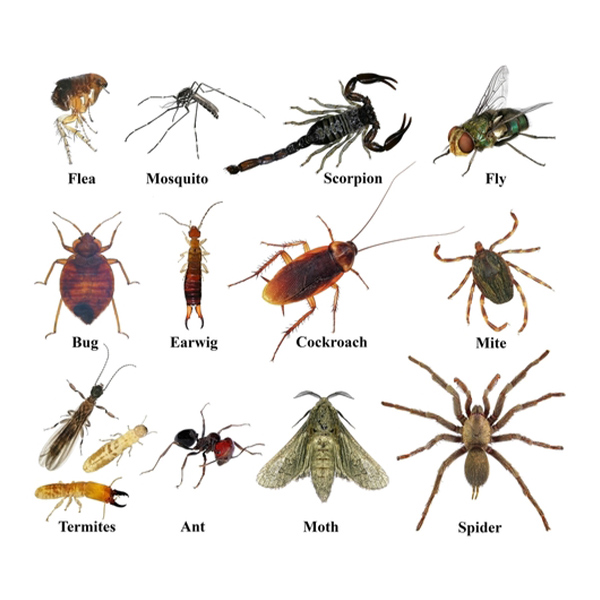
Ants

Ants are tiny insects that form colonies and can quickly become a nuisance. Common ant species in Calgary include carpenter ants, pavement ants, and pharaoh ants. Carpenter ants can cause structural damage to wooden structures, while pavement ants and pharaoh ants are often found indoors in search of food.

Bed Bugs

Bed bugs are small, reddish-brown insects that feed on human blood. They are notorious for infesting mattresses, furniture, and other upholstery. Bed bug bites can cause itching and allergic reactions. Look for rust-coloured stains on bedding or small bite marks on your skin to identify their presence.

Cockroaches

Cockroaches are resilient pests that thrive in dark, moist areas. German cockroaches and American cockroaches are the most common species found in Calgary. They can contaminate food, spread diseases, and trigger allergies. Cockroaches emit a distinctive musty odour, and their presence is often accompanied by droppings and shed skin.

Wasps and Bees

Wasps and bees are beneficial insects for the environment but can become problematic when building nests near human dwellings. Calgary is home to various wasp species, including paper wasps and yellow jackets. Bees, such as honeybees and bumblebees, are also prevalent. Be cautious around their nests and seek professional help for removal if necessary.

Spiders

While most spiders are harmless, some species in Calgary, such as black widows, can pose a threat. Spiders typically prefer dark corners and undisturbed areas. Look for spider webs and egg sacs as indicators of their presence. If you suspect a venomous spider infestation, contacting a pest control expert is best.

Mice and Rats

Mice and rats are common rodents that can cause significant property damage and transmit diseases. They can squeeze through small openings and are excellent climbers. Signs of their presence include chewed wires, gnaw marks on furniture, and droppings. Take immediate action if you suspect a rodent infestation.

Squirrels

Squirrels may seem harmless and adorable in the wild, but they can become pests when they nest in attics or chew on electrical wiring. Look for entry points and listen for scratching noises to identify squirrel infestations. Seek professional help for squirrel infestations and their safe removal, as they can be territorial and cause damage if confronted.

Birds

Although often admired for their beauty and songs, birds can become pests when they nest in or around buildings. Pigeons, sparrows, and starlings are common bird species found in Calgary. Their nests can block vents and gutters, leading to potential damage. Bird droppings can also be unsightly and carry diseases. Use bird spikes or netting to deter them from nesting in unwanted areas.

Termites

Termites are destructive pests that feed on wood and can cause significant damage to buildings if left untreated. Calgary has a relatively low risk of termite infestations compared to other regions, but they can still be a concern. Look for discarded wings, mud tubes, or hollow-sounding wood as signs of termite activity. If suspected, contact a pest control professional for an inspection.

Mosquitoes

Mosquitoes are annoying and potential carriers of diseases such as West Nile virus. They breed in stagnant water and are most active during warmer months. Protect yourself by wearing insect repellent, screens on windows and doors, and eliminating any standing water sources around your property.

Fleas

Fleas are small, blood-sucking insects that commonly infest pets but can also bite humans. They can be brought indoors by pets or wildlife. Look for signs of flea activity, such as pets scratching excessively or small dark specks on bedding and furniture. Treat your pets with flea control products and wash bedding thoroughly to eliminate infestations.

Flies

Flies are a nuisance and can transmit diseases. House flies, fruit flies, and cluster flies are common in Calgary. They are attracted to food sources and breed in unsanitary conditions. To deter fly infestations, implement proper sanitation practices, such as keeping trash bins tightly sealed and cleaning up spills promptly.

Moths

Moths, particularly clothes moths, can cause damage to fabrics, carpets, and stored items. They lay eggs on natural fibres and feed on them in larval form. Look for small holes or damage in clothing and visible cocoons as signs of moth infestations. Regularly clean and store clothing properly to prevent moth-related damage.

Conclusion

Identifying common pests in Calgary is crucial for effective pest management. By promptly addressing infestations, you can minimize property damage and protect the well-being of your family. If you’re uncertain about pests or need pest control assistance, it’s advisable to consult a professional pest management company in your area.

FAQs

  1. Q: Are pests a year-round problem in Calgary? A: While some pests are more active during specific seasons, pests can be a concern throughout the year in Calgary.
  2. Q: Can I get rid of pests on my own? A: Some minor infestations can be managed with DIY methods, but for significant or recurring problems, it’s best to seek professional pest control services.
  3. Q: How can I prevent pest infestations in my home? A: Maintain cleanliness, seal entry points, eliminate standing water, and store food properly to reduce the risk of pest infestations.
  4. Q: Are all pest control methods safe for pets and children? A: Professional pest control companies employ safe methods for pets and children. However, it’s important to follow instructions and precautions provided by the experts.
  1. Q: Can I prevent pests from returning after treatment? A: While no method can guarantee complete prevention, following good sanitation practices, sealing entry points, and addressing any moisture or food sources can help reduce the likelihood of pests returning after treatment.

In conclusion, understanding the common pests in Calgary and identifying them is essential for effective pest management. Whether it’s ants, bed bugs, cockroaches, or any other pest, early detection and timely action can help prevent infestations from escalating. Consult Ecopest pest control for severe or persistent pest problems. By taking proactive measures and maintaining a clean and well-protected environment, you can minimize the impact of pests on your property and enjoy a pest-free living space.

Common Pests in Calgary and How to Identify Them Read More »

Professional Wasp Control Services in Calgary

Professional Wasp Control Services in Calgary

When faced with a wasp infestation in Calgary, it’s crucial to address the problem promptly and effectively. Wasps can be aggressive and threaten humans and pets, especially those allergic to their stings. While various do-it-yourself methods are available, opting for professional wasp control services offers numerous advantages. In this article, we will explore the benefits of professional wasp control, the process involved, and why Ecopest is the go-to choice for professional wasp control services in Calgary.

What Are Wasps?

Wasps are flying insects belonging to the Hymenoptera order. They are distinguishable by their slender bodies, narrow waists, and two pairs of wings. While they play a crucial role in pollination, wasps can become a nuisance when they build nests in residential or commercial areas.

Types of Wasps

There are various types of wasps, including paper wasps, yellow jackets, hornets, and mud daubers. Each species has its unique characteristics and nesting habits. Paper wasps, for example, build open, umbrella-shaped nests, while yellow jackets prefer building nests in enclosed spaces.

Why Do You Need Professional Wasp Control?

Efficiency and Effectiveness: Professional wasp control services employ trained technicians who can quickly identify the type of wasp and the extent of the infestation. They use targeted methods to eliminate the wasps and their nests, ensuring effective results.

Safety: Wasps can be aggressive when threatened, leading to painful stings. Professional exterminators are equipped with the proper protective gear and know how to handle these insects without endangering themselves or others.

Long-Term Solutions: DIY methods often provide temporary relief, but professional wasp control services offer long-term solutions. They address the root cause of the infestation, reducing the chances of future problems.

Time and Convenience: Hiring professionals saves you time and effort. They handle the entire process, from inspection to removal, allowing you to focus on other essential tasks.

How to Identify Wasp Infestation?

Recognizing a wasp infestation is crucial for prompt action. Look out for the following signs:

  • Increased wasp activity around your property
  • The presence of nests, typically located under eaves, in trees, or in crevices
  • Frequent sightings of wasps entering or exiting specific areas

DIY Wasp Control Methods

While professional help is recommended, here are a few do-it-yourself methods to temporarily manage a minor infestation:

Removing Food Sources: Wasps are attracted to sugary substances, so it’s important to seal garbage cans tightly and clean up spills promptly. Avoid leaving sweet drinks or food uncovered outdoors.

Sealing Entry Points: Inspect your property for any openings or cracks that could serve as entry points for wasps. Seal these areas with caulk or weatherstripping to prevent their access.

Trapping: Homemade traps can help reduce the number of wasps in the area. Fill a jar with a sweet liquid like fruit juice or soda, and cover the top with plastic wrap. Poke a few small holes in the wrap to allow wasps to enter but not escape.

Nest Removal (Cautionary Note): Removing wasp nests can be dangerous and should only be attempted if you have the necessary protective gear and expertise. If you choose to do so, it’s essential to conduct the removal at night when the wasps are less active.

The Importance of Hiring Professional Wasp Control Services

While DIY methods may provide temporary relief, professional wasp control services offer several advantages:

Expertise and Experience: Professional technicians have extensive knowledge of different wasp species and their behaviours. They can accurately identify nests, assess the infestation level, and employ the most effective control methods.

Safe and Efficient Techniques: Professionals are equipped with specialized tools and insecticides that are not readily available to the general public. They can safely eliminate nests, protecting you, your family, and your property.

Preventive Measures: Professional wasp control services eliminate current infestations and implement preventative measures to reduce the likelihood of future problems. This may include sealing entry points, applying deterrents, or offering ongoing monitoring services.

Choosing the Right Wasp Control Service in Calgary

When selecting a professional wasp control service in Calgary, consider the following factors:

Certifications and Licensing: Ensure the company holds the necessary certificates and licenses to perform pest control services. This ensures that they meet industry standards and follow proper protocols.

Experience and Reputation: Look for a company with a proven track record of handling wasp control. Read reviews and testimonials from past customers to gauge their reputation and customer satisfaction.

Eco-Friendly Practices: Consider companies prioritizing eco-friendly and sustainable pest control solutions. This demonstrates their commitment to minimizing environmental impact while effectively managing wasp infestations.

Transparent Pricing: Request quotes from different service providers and compare their prices. Ensure the pricing is transparent and includes any additional charges for follow-up visits or warranties.

The Process of Professional Wasp Control

When you hire professional wasp control services, the typical process involves the following steps:

Inspection: A trained technician will inspect your property to identify the type of wasp, locate nests, and assess the extent of the infestation.

Treatment Plan: The technician will develop a customized treatment plan tailored to your situation based on the inspection findings. This may include the use of targeted insecticides or specialized equipment.

Safe Nest Removal: The technician will safely remove nests using appropriate protective gear and techniques if nests are present. This ensures the elimination of the current infestation.

Preventive Measures: The technician will implement preventative measures to minimize the chances of future infestations. This may involve sealing entry points, providing recommendations for property maintenance, or offering ongoing monitoring services.

Eco-Friendly Wasp Control Solutions

Ecopest, a leading provider of professional wasp control services in Calgary, prioritizes eco-friendly solutions. They understand the importance of balancing effective pest control with environmental responsibility. Here are some eco-friendly approaches they may utilize:

Biological Controls: Ecopest may employ biological control methods, such as introducing natural predators or parasitoids that target specific wasp species. This approach minimizes the use of chemical insecticides.

Integrated Pest Management (IPM): IPM strategies combine various techniques to focus on long-term pest management. This may include habitat modification, exclusion methods, and targeted pesticide application only when necessary.

Organic and Botanical Products: Ecopest may use organic or botanical-based insecticides derived from natural sources. These products are formulated to effectively control wasps while minimizing harm to beneficial insects and the environment.

Education and Awareness: Ecopest emphasizes educating customers about wasp behaviour, prevention strategies, and preserving beneficial insect populations. They aim to create a sustainable balance in pest control practices by promoting awareness.

Safety Measures During Wasp Control

During professional wasp control services, safety is of utmost importance. Here are some key safety measures that Ecopest and other reputable companies prioritize:

Protective Gear: Technicians wear appropriate protective gear, including suits, gloves, goggles, and respirators, to minimize the risk of stings and insecticide exposure.

Proper Application Techniques: The application of insecticides is conducted according to approved guidelines and in compliance with safety regulations. Professionals ensure the products are used correctly and do not pose unnecessary risks to humans, pets, or the environment.

Secure Work Zones: Technicians cordon off the work area to prevent unauthorized access, especially in residential settings. This ensures the safety of occupants and prevents accidental exposure to insecticides.

Post-Treatment Precautions: After completing the treatment, professionals provide instructions on post-treatment precautions, such as avoiding contact with treated areas until they are deemed safe.

Cost of Professional Wasp Control Services

The cost of professional wasp control services can vary depending on several factors, including the size of the infestation, the type of wasp species, the complexity of the removal process, and the extent of preventive measures required. It is recommended to contact reputable pest control companies like Ecopest for a detailed assessment and accurate cost estimate.

Customer Testimonials

Here are a few testimonials from satisfied customers who have used professional wasp control services:

“Ecopest was prompt, professional, and efficient in handling our wasp problem. They eliminated the nest and provided valuable advice to prevent future infestations. Highly recommended!” – Sarah M.

“I was impressed with the eco-friendly approach taken by Ecopest. They were knowledgeable, friendly, and considerate of our property and the environment. The wasps are gone, and we feel confident in their services.” – Mark R.

“After attempting DIY methods with little success, we decided to hire Ecopest. Their expertise and thoroughness in tackling our wasp infestation were remarkable. We are grateful for their prompt response and excellent service.” – Jennifer W.

Conclusion

Professional wasp control services offer numerous benefits over DIY methods. They provide efficient and effective solutions while prioritizing safety and environmental responsibility. Ecopest, a trusted provider in Calgary, combines expertise, eco-friendly practices, and a commitment to customer satisfaction. Don’t let wasps take over your property. Seek professional assistance for reliable and long-lasting wasp control.

FAQs

Q1: Are wasp control services only necessary for severe infestations?

Not necessarily. Professional wasp control services are recommended for any level of infestation to ensure the safe and effective elimination of wasps. Even minor infestations can escalate quickly, and professional intervention can prevent the problem from worsening.

Q2: Will professional wasp control harm beneficial insects like bees?

Reputable pest control companies, such as Ecopest, take measures to protect beneficial insects like bees during wasp control. They use targeted methods and eco-friendly products to minimize harm to beneficial pollinators.

Q3: How long does a professional wasp control treatment take?

The duration of a wasp control treatment can vary depending on the complexity of the infestation. It may take anywhere from a few hours to a few visits over several days. The technician will assess the situation and provide an estimate during the initial inspection.

Q4: Can I remove a wasp nest on my own?

Removing a wasp nest on your own can be dangerous, especially if you lack the necessary knowledge and protective gear. It’s best to leave nest removal to trained professionals who can safely handle the situation and minimize the risk of stings.

Q5: Is professional wasp control expensive?

The cost of professional wasp control services can vary depending on the specific circumstances. Factors such as the size of the infestation and the necessary treatment methods will influence the cost. It’s advisable to contact reputable pest control companies for accurate cost estimates based on your unique situation.

Professional Wasp Control Services in Calgary Read More »

DIY Pest Control Tips for Calgary Residents

DIY Pest Control Tips for Calgary Residents

Pests can be a nuisance and a health hazard in any home. Calgary residents often encounter various pests, from rodents and ants to wasps and bed bugs. Keep your home pest-free; this article provides valuable DIY pest control tips. Additionally, it introduces Ecopest Pest Control, a reputable pest control company serving Calgary and the surrounding areas.

Introduction

Pest control is essential for maintaining a healthy and comfortable living environment. Unwanted pests can cause property damage, contaminate food, and spread diseases. Ecopest Pest Control provides effective pest control solutions to Calgary residents, ensuring a pest-free home.

Identifying Common Pests in Calgary

To effectively control pests, it’s crucial to identify the common ones found in Calgary:

Rodents

Mice and rats are common rodents that invade homes, especially during colder months. They can cause property damage, contaminate food, and carry diseases.

Ants

Ants are social insects that often enter homes in search of food. They can be challenging to eliminate once they establish their colonies.

Wasps and Bees

Wasps and bees can become a threat when their nests are near or inside homes. Their stings can cause severe allergic reactions in some individuals.

Bed Bugs

Bed bugs are small, blood-feeding insects that infest beds, furniture, and upholstery. They can cause itchy bites and disrupt sleep.

Cockroaches

Cockroaches are resilient pests that can spread diseases and trigger allergies. They are attracted to food and can contaminate surfaces.

Preventive Measures for Pest Control

Taking preventive measures can significantly reduce the likelihood of pest infestations. Here are some tips:

  • Seal cracks and crevices: Inspect your home for any openings that pests can use to enter and seal using caulk or weatherstripping.
  • Keep food properly stored: Store food in airtight containers and clean up spills promptly.
  • Maintain cleanliness: Regularly clean your home, focusing on areas where pests can hide, such as under appliances and behind furniture.
  • Remove standing water: Eliminate any sources of standing water, as they can attract pests like mosquitoes.
  • Trim vegetation around the house: Keep bushes, trees, and shrubs trimmed and away from the home to prevent pests from using them as entry points.

DIY Pest Control Methods

While professional pest control services are often necessary for severe infestations, there are several DIY methods you can try:

Natural remedies for ants

  • Use vinegar or lemon juice to clean

Natural remedies for ants

  • Use vinegar or lemon juice to clean countertops and surfaces, as ants dislike the strong scent.
  • Sprinkle cinnamon, coffee grounds, or cayenne pepper in areas where ants are present, as these substances deter them.
  • Create a homemade ant bait using sugar, borax, and water. Place the bait in areas where ants frequent.

Traps and baits for rodents

  • Set up snap traps or glue traps in areas where rodents are active, ensuring they are placed along walls or in corners.
  • Use peanut butter or cheese as bait to attract rodents to the traps.
  • Seal any potential entry points to prevent rodents from entering your home.

Preventive measures for wasps and bees

  • Seal gaps and openings in your home, especially near windows, doors, and eaves.
  • Remove any food sources that may attract wasps or bees, such as uncovered garbage bins or sugary substances.
  • If you encounter a wasp or bee nest, it’s best to contact professional pest control services to ensure safe removal.

Bed bug prevention and detection

  • Regularly inspect your bedding and furniture for any signs of bed bugs, such as dark spots, shed skin, or tiny bloodstains.
  • Use mattress and pillow encasements to create a barrier against bed bugs.
  • Wash and dry your bedding on high heat to kill any potential bed bugs.

Cockroach control techniques

  • Keep your kitchen clean and free of food debris, as cockroaches are attracted to leftover food.
  • Eliminate any sources of water by fixing leaks and ensuring proper drainage.
  • Use cockroach baits or traps in areas where cockroaches are commonly seen.

When to Call Professional Pest Control Services

While DIY methods can be effective for minor pest issues, there are situations where professional pest control services are necessary:

  1. Signs of severe infestation: If you notice any pests or extensive damage caused by pests, it’s best to seek professional assistance.
  2. Health risks associated with certain pests: Pests like rodents and certain insects can carry diseases or cause allergic reactions. Professional pest control services can help mitigate these risks.
  3. Specialized treatments and equipment: Some pests, such as termites, require specialized treatments and equipment that professionals best handle.

Ecopest Pest Control Services

Ecopest Pest Control is a trusted pest control company serving Calgary and the surrounding areas. They offer a range of services to address various pest problems, including:

  • Rodent control: Ecopest Pest Control utilizes safe and effective methods to eliminate rodents and prevent future infestations.
  • Ant control: Their experts can identify ant species and implement targeted solutions to eliminate ant colonies.
  • Wasp and bee removal: Ecopest Pest Control safely remove wasp and bee nests to ensure your and your family’s safety.
  • Bed bug treatments: Their technicians are skilled in detecting and eradicating bed bugs using proven methods.
  • Cockroach control: Ecopest Pest Control offers comprehensive cockroach control services to eliminate these resilient pests.

Choosing Ecopest Pest Control provides numerous benefits, including:

  1. Effective and long-lasting results: Their experienced technicians employ advanced pest control techniques to ensure effective and lasting solutions.
  2. Eco-friendly and safe practices: Ecopest Pest Control prioritizes using eco-friendly products and practices to minimize environmental and health impacts.
  3. Professional expertise: Their team of experts has in-depth knowledge of pest behaviour and can provide personalized solutions tailored to your specific pest issues.

Conclusion

Maintaining a pest-free home is essential for your family’s well-being and your property’s integrity. By following the DIY pest control tips mentioned personalized solutions tailored to your specific pest issues.

DIY Pest Control Tips for Calgary Residents Read More »

A picture of a pest control technician in Calgary, Alberta, Canada, discussing pest control options with a customer.

Top Rated Pest Control Calgary [2023]

Top Rated Pest Control in Calgary - Ecopest Pest Control

Did you know that Calgary is home to various pests that can wreak havoc on your property and health if left unchecked? It’s essential to partner with a reliable pest control company, such as Ecopest -Pest Control Calgary, that can keep your home or business pest-free. In this blog post, we’ll help you navigate the world of pest control in Calgary, introducing you to the top-rated companies, various treatment options, and tips for choosing the right provider. Let’s dive in!

Short Summary

  • EcoPest Pest Control Calgary and Best Control Pest Control are two of Calgary’s top-rated pest control companies.

  • Professional residential and commercial pest control services provide tailored inspections, treatments, and prevention plans to ensure a clean environment free from pests.

  • Timely action is essential for protecting property and health. DIY tips can help manage mild infestations, but professional advice should be sought for severe cases.


Calgary’s Top Pest Control Companies

Two companies stand out regarding pest control in Calgary: EcoPest Pest Control Calgary and Best Control Pest Control. Both offer comprehensive residential and commercial pest control services, tackling everything from rodents and bed bugs to wasp nests and other wildlife removal services.

Customer reviews are vital in distinguishing between a professional service or company that values its clients and one that does not, especially in the pest control industry. By choosing EcoPest or Best Control, you can trust that these top-rated companies will address your pest control problem promptly and professionally.


EcoPest Pest Control Calgary

EcoPest Pest Control Calgary prides itself on delivering effective treatments and preventive recommendations to address pest infestations in homes and businesses throughout the area. Skilled technicians can handle interior and exterior treatments, wildlife removal through trapping, insect extermination with chemicals, and tree spraying to cater to various pest control needs. Customers have praised EcoPest for its responsiveness and honesty, highlighting the effectiveness of their pest control management. This track record of customer satisfaction demonstrates their commitment to providing top-notch customer services, making them a reliable choice for pest control needs.

The cost of exterior spider treatment services at EcoPest, carried out by a licensed pest control exterminator, is $275 plus applicable taxes. This competitive pricing ensures you receive effective treatments without breaking the bank.


Best Control Pest Control

Best Control Pest Control is another highly recommended company for pest control in Calgary, offering a broad range of services to address your unique needs. They have you covered from wildlife control to insect extermination to bird control.

In addition to their services, Best Control Pest Control has a network of highly recommended partners, including Ecopest – Pest Control Calgary, Spartan Pest Control, and Martin’s Pest Control. These companies offer specialized services, such as fumigation and seasonal inspections for residential clients, ensuring a comprehensive pest control experience.

To make an informed decision, it’s essential to review the experiences of real customers. For Best Control Pest Control and their partners, you’ll find consistently positive reviews on Homestars, commending their professional and timely manner. This gives you peace of mind that you’re choosing a reliable provider for your pest control needs.

A picture of a pest control technician in Calgary, Alberta, Canada, inspecting a home for common pests.

Pest Control Treatments and Methods

Several pest control treatments and methods are available to address infestations, including preventive measures, chemical treatments, trapping, and biological pest control treatment.

Preventive pest control focuses on making it difficult for infestations to occur by spraying repellants, sealing potential entry points, and maintaining a clean environment. Chemical pest control, on the other hand, involves using pesticides and other chemicals to eliminate or repel pests.

Trapping pest control is another option involving the trapping of pests before relocation or extermination. Lastly, biological pest control introduces natural predators, pathogens, parasitoids, and competitors to manage pest populations effectively.

An image of a professional technician performing pest control calgary treatment using safe and effective methods.

Tips for Choosing a Reliable Pest Control Company

Selecting the right pest control company requires thorough research and consideration. Experience is crucial; a well-established company with years of operation can provide the knowledge and expertise necessary for effective treatments. Customer service is another important factor, as your exterminator will enter your home and examine potential infestation areas. Choose a company with a track record of positive customer experiences and open communication.

Lastly, ensure that the pest control company you choose possesses certifications from the Canadian Food Inspection Agency (CFIA) or Hazard Analysis Critical Control Points (HACCP) Canada. These accreditations demonstrate a provider’s commitment to upholding industry standards and offering reliable services.

A picture of a pest control technician in Calgary, Alberta, Canada, discussing pest control options with a customer.

Common Pests in Calgary

Calgary is home to a variety of pests, including ants, bed bugs, cockroaches carpet beetles, rodents, spiders, and wasps. The pavement ant is the area’s most commonly observed ant species, while the German Cockroach is the most prevalent type of cockroach.

Bed bug activity in Calgary has increased due to the influx of tourists to Alberta and the tendency of Calgarians to seek warmer climates during winter. These pests are notorious for causing discomfort and distress to residents.

Cockroaches pose significant health risks, as they can carry various bacteria, parasitic worms, and other harmful pathogens. Thus, addressing any infestations promptly and effectively is crucial to protect your health and property.

A picture of a pest control technician in Calgary, Alberta, Canada, inspecting a home for residential pests.

Residential Pest Control Services

Residential pest control services are tailored to individual needs, encompassing inspections, treatments, and prevention plans. Common pests addressed include ants, spiders, and rodents. Costs for residential pest control services may range from $400 to $950 per year, depending on the size of the property and the type of service required.

However, investing in these services can save you money in the long run by preventing damage to your home caused by infestations. Timely pest control services are vital for maintaining the safety and comfort of your home. Regular inspections and treatments can help prevent infestations from spreading and causing damage to your property.

A picture of a pest control technician in Calgary, Alberta, Canada, inspecting a commercial building for pests.

Commercial Pest Control Services

Commercial pest control services, like their residential counterparts, involve inspections, treatments, and prevention plans tailored to meet the specific needs of businesses. This can help maintain a clean, safe, and pest-free environment for employees, customers, and clients.

Implementing pest control in a business setting offers numerous benefits, such as preventing infestations, spreading harmful diseases, and protecting your property and investments. A single pest sighting in the workplace can have a detrimental impact on your business reputation.

Companies like Ecopest Pest Control, committed to customer satisfaction, provide commercial pest management solutions to various businesses, including restaurants, hotels, and grain farms. Their integrated pest management (IPM) program ensures a comprehensive approach to the best pest control ever for your business.

Pest Prevention Tips for Calgary Residents

Following some basic prevention tips is essential to keep your Calgary property pest-free. First, seal cracks and crevices using caulk or expanding foam, preventing unwanted pests from entering your home.

Next, eliminate food sources for pests by storing food in airtight containers and disposing of garbage containing food remnants in tightly sealed trash cans. Regularly emptying these cans will further reduce the likelihood of attracting pests.

Finally, maintain the cleanliness of your property by vacuuming and dusting regularly, as well as cleaning up spills and crumbs promptly. This not only deters pests but also helps you detect infestations early.


DIY Pest Control Tips for Calgary Pests

If you prefer to tackle pest control on your own, there are several DIY tips you can try. Natural repellents like apple cider vinegar, lemon juice, and essential oils can help deter pests without harsh chemicals. Traps and baits, such as sticky traps, flypaper, and bait stations, can also be useful in managing pest populations. These can be found at local stores or online, providing an affordable and accessible solution for minor infestations.

Additional pest control measures include eliminating standing water and food sources and deploying DIY traps. Remember that it’s best to consult a professional pest control service for more severe infestations to ensure effective and lasting results.


The Importance of Timely Pest Control Services

Timely pest control services are crucial in preventing infestations from spreading and causing more damage to your property. Prompt action can also reduce health risks associated with pests, such as the transmission of bacteria, parasites, and other harmful pathogens.

By investing in a timely and professional manner in pest control services, you’ll benefit from cost savings, as preventing infestations can be more affordable than addressing the damage caused by an uncontrolled pest problem. Moreover, assuring a pest-free environment can provide peace of mind for you, your family, or your business.

Whether for your home or business, timely pest control services are essential for any pest problems and for maintaining a clean and safe environment. Don’t wait for an infestation to become a severe problem – take action now to protect your property and health.

A picture of a pest control technician in Calgary, Alberta, Canada, providing DIY pest control tips.
A picture of a pest control technician in Calgary, Alberta, Canada, discussing the importance of timely pest control services.

Summary

In conclusion, the importance of reliable pest control services in Calgary cannot be overstated. By choosing a pest control expert from top-rated companies like EcoPest Pest Control Calgary or Best Control Pest Control, exploring various treatment options, and following prevention tips, you can ensure a pest-free environment for your home or business. Don’t let pests rule your life – take action now and enjoy peace of mind with effective pest control services.


Frequently Asked Questions


How much is a pest control consultation?

A pest control consultation costs between $100 and $200 on average. Many exterminators charge an hourly rate, so the cost of your consultation may vary depending on the length of the visit.

Researching the cost of a consultation is important before hiring an exterminator. Ask for quotes from multiple companies and compare the prices. You should also ask.

Is pest control worth the price?

It is worth investing in professional pest control services to protect your property from pests. Professional services offer better safety, more thorough inspection and extermination, and a longer-term solution than DIY options.

Ultimately, the price is well worth it for the peace of mind and pest-free living that comes with professional services.

How much does a mouse exterminator cost in Calgary?

The cost of a mouse exterminator in Calgary ranges between $200 and $400. Many companies have a flat fee plus extra fees for additional services.

Rates for mouse extermination services vary depending on the extent of the infestation but generally start at around $200 and can go up to $400 or more. To get the most accurate cost estimate, it is best to contact a local pest control specialist in Calgary.

How often should I pest control my house?

To maintain a pest-free environment in your home, it is recommended to have pest control treatments done every quarter or at least four times a year. This will help keep pests at bay and prevent further infestations.

How much does an exterminator cost for mice in Calgary?

Exterminator services to get rid of mice in Calgary are pretty affordable – A: Exterminator services to get rid of mice in Calgary are quite reasonable and can range from $50 for an introductory consultation to about $300 for a more comprehensive assessment and extermination program.

The cost of an exterminator for mice in Calgary varies depending on the property size – A: The cost of an exterminator for mice in Calgary varies depending on the size of the property, the type of infestation, and the duration of the program required. On average, an extermination service will cost between $300 and $600.

Top Rated Pest Control Calgary [2023] Read More »