
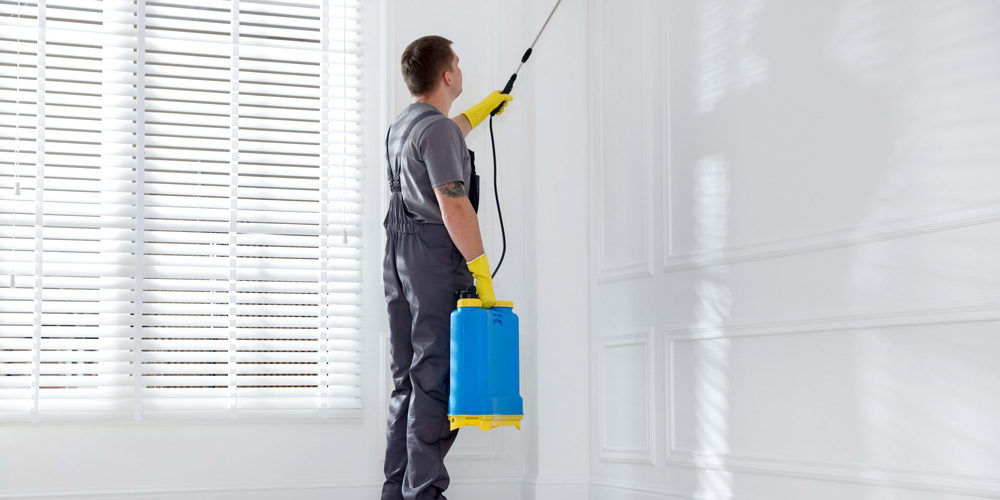
The pest control industry has evolved significantly over the past few decades. The old approach of simply spraying chemicals throughout a property and hoping for the best has been replaced by a more sophisticated, science-based methodology called Integrated Pest Management, or IPM. This modern approach delivers better long-term results while prioritizing the health of your family, pets, and the environment.
As a GreenPro Certified Pest Management provider, Ecopest has built our entire service model around IPM principles. Understanding what IPM is and why it works better than traditional pest control methods can help Canadian homeowners make informed decisions about protecting their properties.
What Is Integrated Pest Management?
Integrated Pest Management is a comprehensive, sustainable approach to pest control that combines multiple strategies to manage pest populations effectively while minimizing risks to people, property, and the environment. Rather than relying solely on chemical treatments, IPM uses a combination of prevention, monitoring, and targeted intervention to achieve long-term pest control.
The IPM approach is built on understanding pest biology, behavior, and life cycles. By knowing how pests enter properties, what attracts them, and how they reproduce, pest control professionals can develop strategies that disrupt pest activity at multiple points rather than simply reacting to visible infestations.
In Canada, IPM practices are encouraged by Health Canada’s Pest Management Regulatory Agency and are increasingly required in sensitive environments like schools, healthcare facilities, and food service operations. Ecopest’s multiple certifications, including GreenPro Certified Pest Management and Schools Certified Pest Management, demonstrate our commitment to IPM best practices across all service types.
The Four Core Principles of IPM
Integrated Pest Management is built on four fundamental principles that guide every aspect of pest control planning and execution.
Prevention: The First Line of Defense
The most effective pest control strategy is preventing pests from entering or establishing themselves in the first place. IPM prioritizes exclusion and habitat modification to make properties less attractive and accessible to pests.
Prevention strategies include sealing entry points around foundations, doors, windows, and utility penetrations, eliminating food and water sources that attract pests, removing clutter and debris that provides shelter, maintaining proper sanitation and waste management, and addressing moisture problems that create ideal pest habitats.
Ecopest’s preventative inspections identify vulnerabilities before pests exploit them. This proactive approach is especially important in Canadian climates where seasonal pest pressure changes dramatically throughout the year.
Monitoring: Early Detection and Assessment
Regular monitoring allows pest control professionals to detect pest activity early, identify the specific pest species involved, and assess the severity of infestations before they become serious problems. Monitoring techniques include visual inspections, strategically placed traps, and documentation of pest activity patterns and seasonal trends.
Ecopest’s QualityPro Canada certification requires rigorous documentation and monitoring protocols. Our technicians maintain detailed records of pest activity, environmental conditions, and treatment history.
Identification: Knowing Your Enemy
Accurate pest identification is critical to effective control. Different pest species have different behaviors, vulnerabilities, and treatment requirements. Misidentification leads to ineffective treatments and wasted resources.
Ecopest’s certified technicians are trained to accurately identify the full range of pests common to Edmonton, Calgary, Vancouver, and surrounding areas. This expertise ensures treatments are targeted to the specific pest species present, maximizing effectiveness while minimizing unnecessary pesticide use.
Control: Targeted, Multi-Faceted Intervention
When prevention and monitoring indicate that pest control intervention is necessary, IPM uses a hierarchy of control methods that starts with the least toxic and most environmentally-friendly options.
The IPM control hierarchy includes mechanical and physical controls such as traps, barriers, and exclusion devices, biological controls using natural predators or pest-specific pathogens, behavioral controls that disrupt pest mating or feeding, and chemical controls using targeted, low-toxicity products as a last resort.
Chemical treatments under IPM are applied precisely where pests are active rather than broadcast throughout entire properties. Products are selected based on their effectiveness against the target pest and their safety profile for non-target organisms.
Ecopest’s GreenPro certification emphasizes this hierarchy of controls. We prioritize non-chemical methods whenever possible and use chemical treatments strategically when they are the most effective option for the specific pest problem.
How IPM Differs from Traditional Pest Control
Traditional pest control often relies on scheduled, calendar-based pesticide applications regardless of whether pests are actually present. This “spray and pray” approach applies chemicals preventatively throughout properties with the hope of keeping pests away.
In contrast, IPM is responsive and evidence-based. Treatments are applied only when monitoring indicates pest activity, and the specific treatment method is chosen based on the pest species, infestation severity, and environmental factors. Traditional approaches may provide temporary relief but often fail to address the underlying conditions that allowed pests to establish themselves.
IPM creates long-term solutions by combining immediate pest elimination with environmental modifications that prevent re-infestation. This approach reduces the total volume of pesticides used over time while delivering more consistent, lasting results.
Why IPM Is Better for Canadian Homes and Businesses
Integrated Pest Management offers significant advantages for Canadian property owners who want effective pest control without compromising safety or environmental responsibility.
Safer for families and pets: By minimizing chemical use and prioritizing non-toxic control methods, IPM reduces exposure risks for children, pets, and individuals with sensitivities or health concerns.
More effective long-term: Addressing the conditions that attract and support pests creates sustainable solutions rather than temporary fixes. Properties remain pest-free longer with fewer interventions needed over time.
Environmentally responsible: Reduced pesticide use protects beneficial insects, local wildlife, and water quality. IPM aligns with Canada’s environmental values and increasingly strict regulations around pesticide use, particularly in British Columbia.
Cost-effective: While IPM may require more upfront investment in prevention and monitoring, the long-term cost is often lower because recurring infestations are prevented.
Customized to your property: IPM recognizes that every property is unique. Pest pressure in a Vancouver home with moisture issues differs from pest challenges in an Edmonton home facing harsh winter conditions. IPM strategies are tailored to specific environments and regional pest behaviors.
IPM Across Different Property Types
The flexibility of Integrated Pest Management makes it effective across diverse property types and regional conditions throughout Canada.
Residential Homes: For Canadian homeowners, IPM provides peace of mind that pest control is protecting their families without introducing unnecessary risks. Ecopest’s residential IPM services include seasonal inspections timed to regional pest activity patterns, customized prevention plans, targeted treatments when pests are detected, and ongoing monitoring to ensure long-term protection.
Multi-Unit Residential Buildings: Condominiums and apartment buildings face unique pest challenges due to shared walls and common areas. Ecopest works with property managers to implement comprehensive IPM programs that include building envelope inspections, tenant education, coordinated monitoring across units, and documentation for property management reporting. Our Public Health Certified Pest Management credentials ensure our approach meets the standards required for residential buildings.
Commercial and Food Service: Restaurants, grocery stores, hotels, and food processing facilities must maintain the highest pest control standards. Ecopest’s Food Safety Certified Pest Management demonstrates our expertise in meeting commercial pest control standards with continuous monitoring programs, detailed documentation for audits, discreet service, and rapid response when pest issues are detected.
Schools and Childcare Facilities: Educational environments require pest control methods that prioritize child safety above all else. Ecopest’s Schools Certified Pest Management reflects our specialized training in educational environments, emphasizing prevention, non-chemical controls, and clear communication with administrators and parents.
Why Choose Ecopest for Integrated Pest Management
Ecopest’s commitment to Integrated Pest Management is demonstrated through our industry-leading certifications and over 35 years of experience serving Canadian homes and businesses.
Our GreenPro Certified Pest Management credential specifically recognizes pest control providers who have demonstrated excellence in IPM implementation. Combined with our QualityPro Canada, Public Health Certified, Food Safety Certified, and Schools Certified Pest Management credentials, Ecopest offers the most comprehensive IPM expertise available in Western Canada.
Our technicians understand regional pest behavior across Edmonton, Calgary, Vancouver, and Vancouver Island. They know how seasonal changes affect pest activity in Alberta versus British Columbia, and they customize IPM strategies accordingly. When you choose Ecopest, you are choosing a pest control partner who will work with you to create long-term solutions, not just provide temporary fixes.
Experience Better Pest Control with IPM
Integrated Pest Management represents the evolution of pest control from a reactive, chemical-dependent service to a proactive, science-based discipline that delivers superior results while protecting what matters most.
If you are tired of recurring pest problems, concerned about pesticide exposure, or simply want the most effective pest control available, IPM is the answer. Ecopest’s certified technicians are ready to assess your property, develop a customized IPM strategy, and provide the ongoing support needed to keep your Canadian home or business pest-free year-round.
Contact Ecopest today to learn more about how Integrated Pest Management can provide better, safer, more sustainable pest control for your property. Our teams in Edmonton, Calgary, and Vancouver are ready to bring over 35 years of IPM expertise to your pest control challenges.